 …
Rakali
Hydromys chrysogaster
Mammalstrong against birds, fungi
Common
Pack
While active with another mammal in play, it hits 7 harder (14 with two others).
31

34
Rakali
Hydromys chrysogaster
Mammalstrong against birds, fungi
Common
While active with another mammal in play, it hits 7 harder (14 with two others).
Hydromys chrysogaster
Photo: © Elspeth Swan (original photo) · CC BY 4.0 (licence text) · cropped
Strong against: it deals 20% more damage to them. Weak against: these types deal 20% more damage to it.
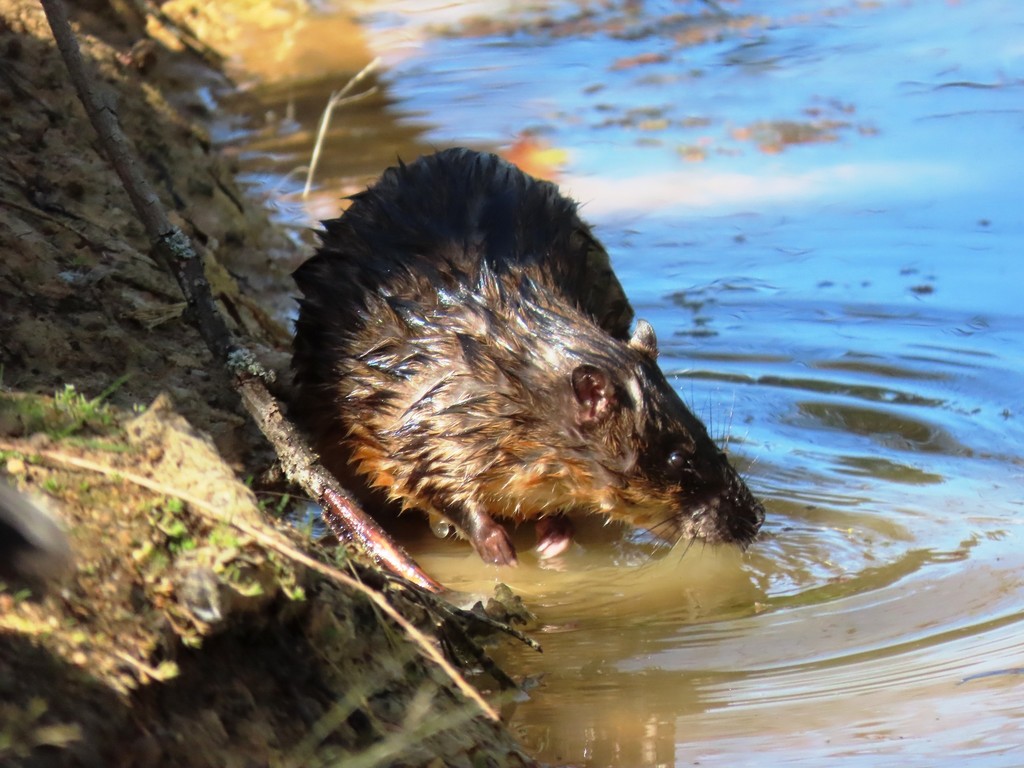
The rakali (Hydromys chrysogaster), also known as the rabe, the "Australian otter" or water-rat, is an Australian native rodent first scientifically described in 1804. Adoption of the Ngarrindjeri name rakali is intended to foster a positive public attitude by Environment Australia.
One of four described species in the genus Hydromys, it is the only one with a range extending beyond New Guinea. Having adapted to and colonised a unique niche of a semiaquatic and nocturnal lifestyle, this species lives in burrows on the banks of rivers, lakes and estuaries and feeds on aquatic insects, fish, crustaceans, mussels, snails, frogs, cane toads, bird's eggs and small water birds.
Rakali have a body length of 23–37 cm (9–15 in), weigh 340–1,275 g (12–45 oz), and have a thick tail measuring around 24–35 cm (9–14 in). Females are generally smaller than males but tail lengths are normally the same. They have partially webbed hind legs, waterproof fur, a flattened head, a long blunt nose, many whiskers and small ears and eyes. The body is streamlined with a skull that is large, flat and elongated, with two molars on the upper and lower jaw, similar to the water mouse. They are black to brown in colour with an orange to white belly, and dark tail with a white tip.
Abridged excerpt from the Wikipedia article Rakali, by its authors, under the CC BY-SA 4.0 licence.
Least Concern on the IUCN Red List: that’s what makes this card Common.
Every Common card has 100 points, shared between HP, ATK and DEF:
How they’re shared out:

 DEF 34