 …
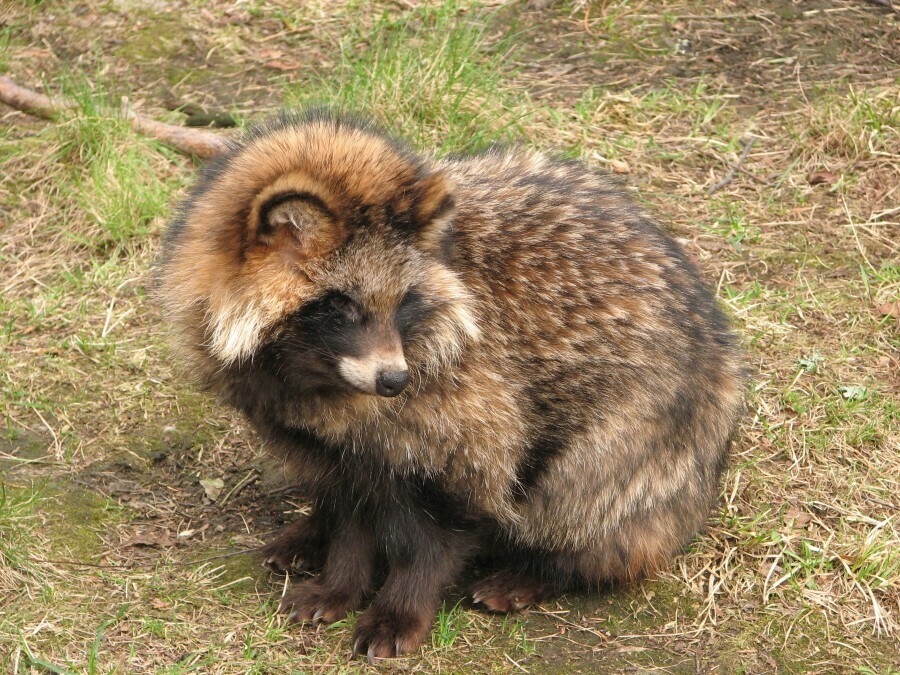
Mainland Raccoon Dog
Nyctereutes procyonoides
Mammalstrong against birds, fungi
Common
Pack
While active with another mammal in play, it hits 7 harder (14 with two others).
29

29
Mainland Raccoon Dog
Nyctereutes procyonoides
Mammalstrong against birds, fungi
Common
While active with another mammal in play, it hits 7 harder (14 with two others).
Nyctereutes procyonoides
Photo: © Jukka A. Lång (original photo) · CC BY 4.0 (licence text) · cropped
Strong against: it deals 20% more damage to them. Weak against: these types deal 20% more damage to it.
The common raccoon dog (Nyctereutes procyonoides), also called the Chinese or Asian raccoon dog to distinguish it from the Japanese raccoon dog, is a heavy-set, fox-like canid native to East Asia. Named for its raccoon-like face markings, it is most closely related to foxes. Common raccoon dogs feed on many animals and plant matter, and are unusual among canids (dogs, foxes, and other members of the family Canidae) in that they hibernate during cold winters and can climb trees. They are widespread in their native range, and are invasive in Europe where they were introduced for the fur trade. The similar Japanese raccoon dog (Nyctereutes viverrinus, the tanuki), native to Japan, is the only other living member of the genus Nyctereutes.
The closest relatives of the common raccoon dogs are the true foxes, not the raccoon, which is one of the musteloids, and not closely related. Among the Canidae, the common raccoon dog shares the habit of regularly climbing trees only with the North American gray fox, which is neither a true fox nor a close relative of the common raccoon dog.
Abridged excerpt from the Wikipedia article Common raccoon dog, by its authors, under the CC BY-SA 4.0 licence.
Least Concern on the IUCN Red List: that’s what makes this card Common.
Every Common card has 100 points, shared between HP, ATK and DEF:
How they’re shared out:

 DEF 29