 …
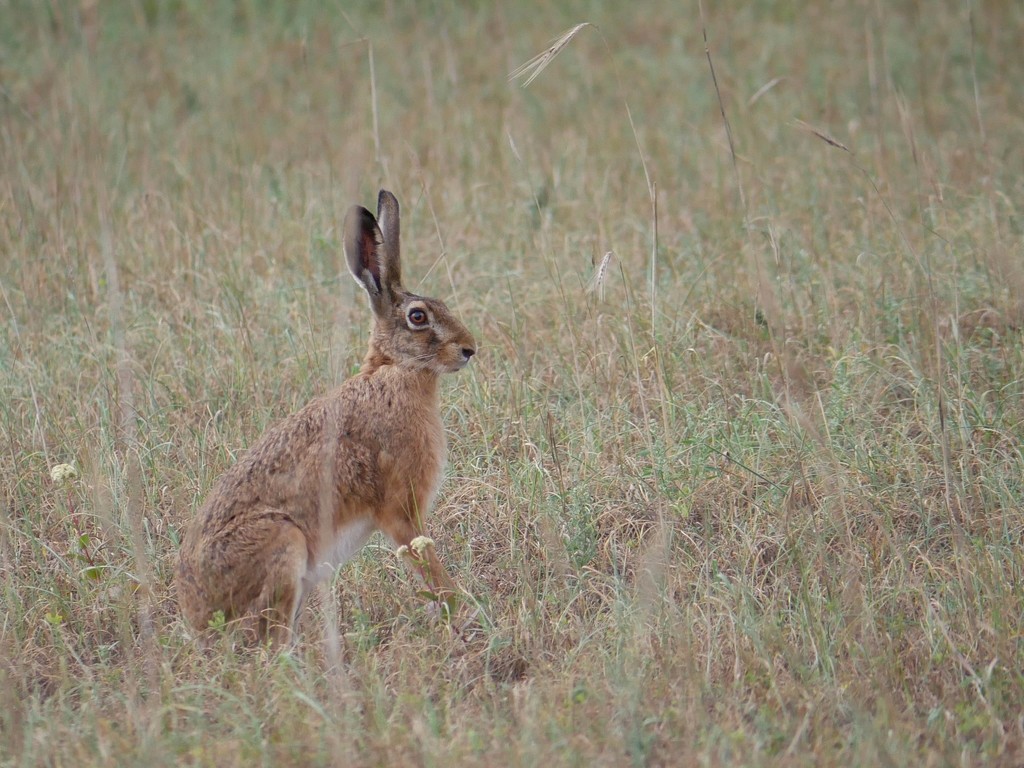
Brown Hare
Lepus europaeus
Mammalstrong against birds, fungi
Common
Pack
While active with another mammal in play, it hits 7 harder (14 with two others).
43

33
Brown Hare
Lepus europaeus
Mammalstrong against birds, fungi
Common
While active with another mammal in play, it hits 7 harder (14 with two others).
Lepus europaeus
Photo: © Alexis Tinker-Tsavalas (original photo) · CC BY 4.0 (licence text) · cropped
Strong against: it deals 20% more damage to them. Weak against: these types deal 20% more damage to it.
The European hare (Lepus europaeus), also known as the brown hare, is a species of hare native to Europe and parts of Asia. It is among the largest hare species and is adapted to temperate, open country. Hares are herbivorous and feed mainly on grasses and herbs, supplementing these with twigs, buds, bark and field crops, particularly in winter. Their natural predators include red foxes and large birds of prey. They rely on high-speed endurance running to escape predation, having long, powerful limbs and large nostrils.
Generally nocturnal and shy in nature, hares change their behaviour in the spring, when they can be seen in broad daylight chasing one another around in fields. During this spring frenzy they sometimes strike one another with their paws ("boxing"). This is not just competition between males: females may also hit males, either to show they are not ready to mate or to test the males' determination. The female nests in a depression on the surface of the ground known as a form rather than in a burrow, and the young are active as soon as they are born. Litters may consist of three or four young and a female can bear three litters a year, with hares living for up to twelve years. The breeding season lasts from January to August.
Abridged excerpt from the Wikipedia article European hare, by its authors, under the CC BY-SA 4.0 licence.
Least Concern on the IUCN Red List: that’s what makes this card Common.
Every Common card has 100 points, shared between HP, ATK and DEF:
How they’re shared out:

 DEF 33