 …
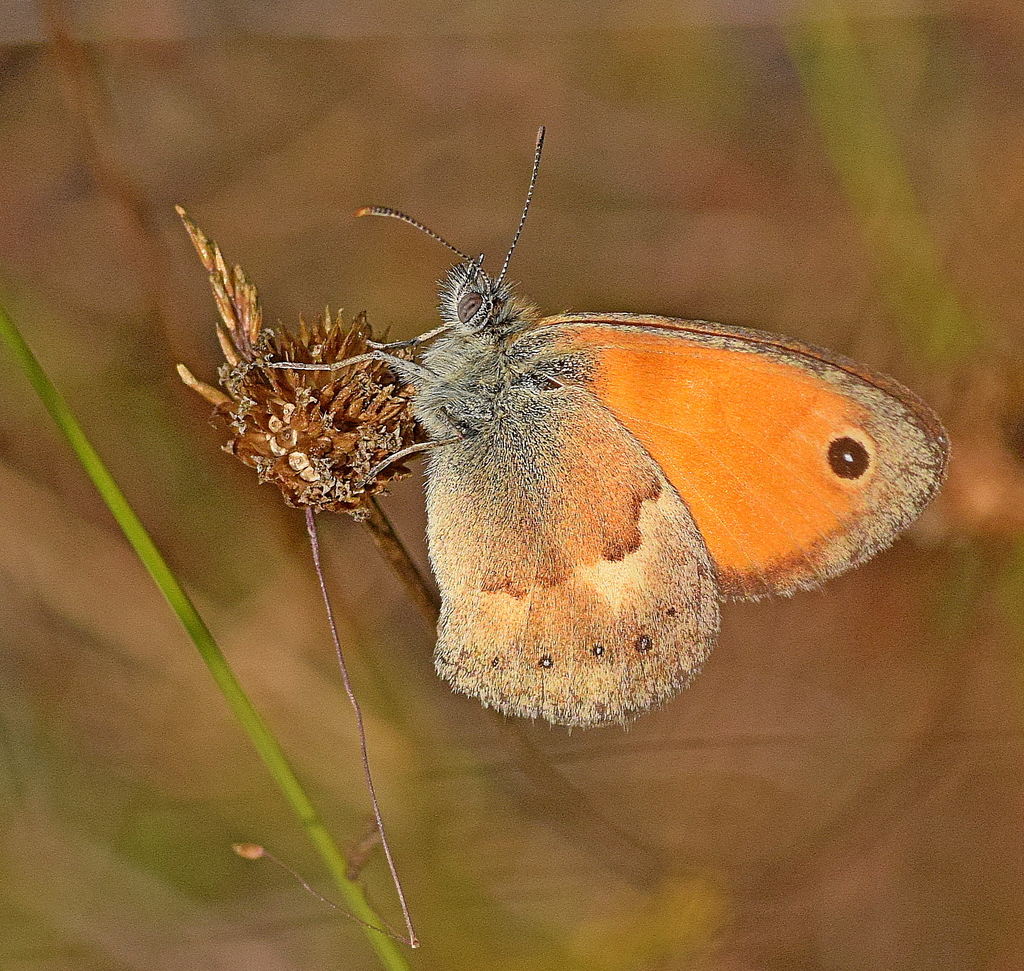
Small Heath
Coenonympha pamphilus
Insectstrong against fungi, fish
Common
Swarm
While active with another insect in play, each of its attacks also hits the opposing bench for 10, without knocking them out (20 with two others).
43

35
Small Heath
Coenonympha pamphilus
Insectstrong against fungi, fish
Common
While active with another insect in play, each of its attacks also hits the opposing bench for 10, without knocking them out (20 with two others).
Coenonympha pamphilus
Photo: © Kostas Zontanos (original photo) · CC BY 4.0 (licence text) · cropped
Strong against: it deals 20% more damage to them. Weak against: these types deal 20% more damage to it.
The small heath (Coenonympha pamphilus) is a butterfly species belonging to the family Nymphalidae, classified within the subfamily Satyrinae (commonly known as "the browns"). It is the smallest butterfly in this subfamily. The small heath is diurnal and flies with a noticeable fluttering flight pattern near the ground. It rests with closed wings when not in flight. It is widespread in colonies throughout the grasslands of Eurasia and north-western Africa, preferring drier habitats than other Coenonympha, such as salt marshes, alpine meadows, wetlands, and grasslands near water (i.e. streams). However, habitat loss caused by human activities has led to a decline in populations in some locations.
The larval host plants are grasses, found in various habitats, while adult butterflies feed on nectar from flowers. The males of this species are territorial, which plays a large role in obtaining a female mate. To establish dominance, they partake in lekking, a mating display in which males aggregate in a competitive display to attract passing females.
Excerpt from the Wikipedia article Small heath (butterfly), by its authors, under the CC BY-SA 4.0 licence.
No global status on the IUCN Red List: that’s what makes this card Common.
Every Common card has 100 points, shared between HP, ATK and DEF:
How they’re shared out:

 DEF 35