 …
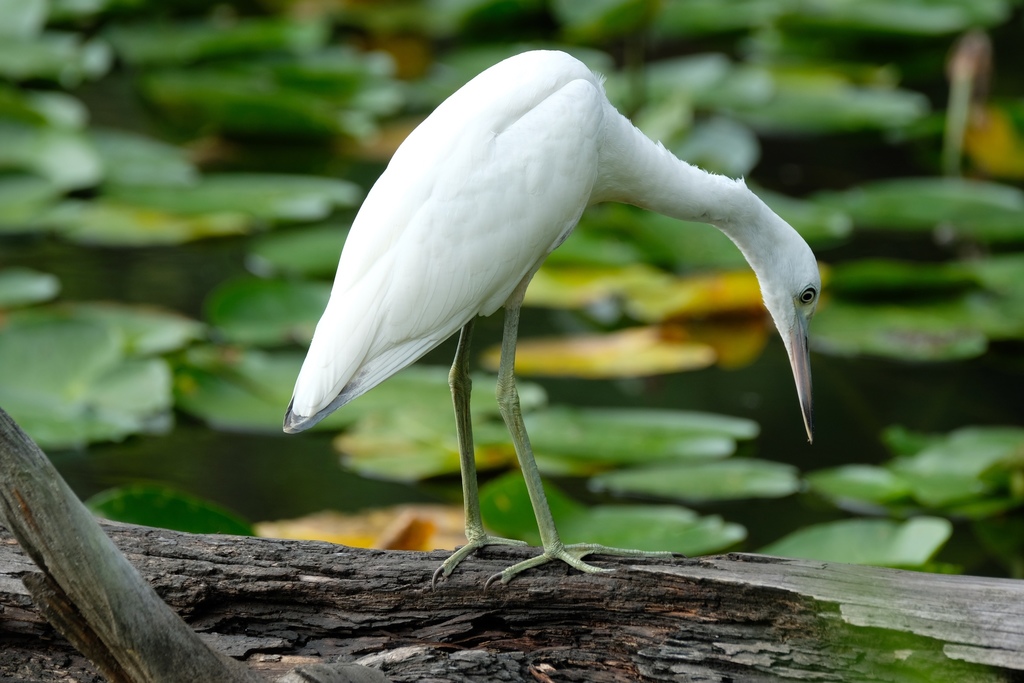
Little Blue Heron
Egretta caerulea
Birdstrong against fish, reptiles
Common
Swoop
While active with another bird in play, it hits 6 harder on its first attack after entering play (12 with two others).
29

32
Little Blue Heron
Egretta caerulea
Birdstrong against fish, reptiles
Common
While active with another bird in play, it hits 6 harder on its first attack after entering play (12 with two others).
Egretta caerulea
Photo: iNaturalist (original photo) · CC0 (licence text) · cropped
Strong against: it deals 20% more damage to them. Weak against: these types deal 20% more damage to it.
The little blue heron (Egretta caerulea) is a small heron of the genus Egretta. It is a small, darkly colored heron with a two-toned bill. Juveniles are entirely white, bearing resemblance to the snowy egret. During the breeding season, adults develop different coloration on the head, legs, and feet.
They have a range that encompasses much of the Americas, from the United States to northern South America. Some populations are migratory. They can be found in both saltwater and freshwater ecosystems. Their preference for either one depends on where they live.
Nesting behaviors are documented by numerous sources. The adults build nests in trees, in colonies with other bird species. The number of eggs laid varies from place to place. The young mature quickly, requiring little attention from adults after about nineteen days of age. Both young and adults are sometimes preyed on by other species. Adults hunt fish, crabs, and other small animals. As with clutch sizes, diet can vary regionally.
The population of E. caerulea is declining. Many possible reasons for this have been proposed. Exposure to heavy metals has been found to have detrimental effects on young birds.
Excerpt from the Wikipedia article Little blue heron, by its authors, under the CC BY-SA 4.0 licence.
Least Concern on the IUCN Red List: that’s what makes this card Common.
Every Common card has 100 points, shared between HP, ATK and DEF:
How they’re shared out:

 DEF 32