 …
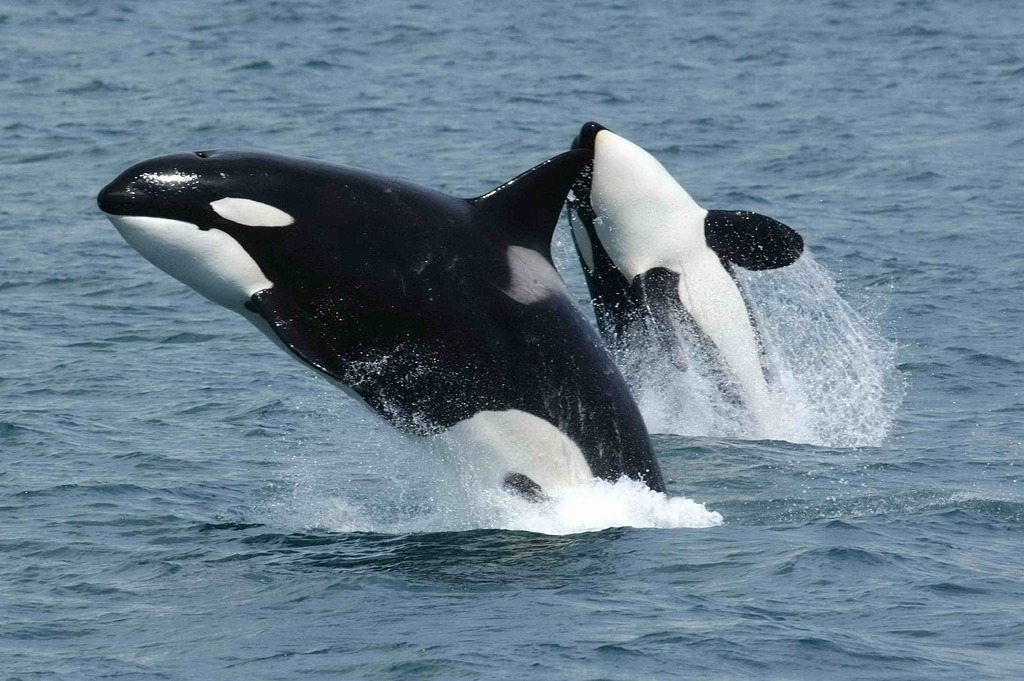
Orca
Orcinus orca
Mammalstrong against birds, fungi
Uncommon
Pack
While active with another mammal in play, it hits 7 harder (14 with two others).
34

28
Orca
Orcinus orca
Mammalstrong against birds, fungi
Uncommon
While active with another mammal in play, it hits 7 harder (14 with two others).
Orcinus orca
Photo: Robert Pittman (original photo) · public domain (licence text) · cropped
Strong against: it deals 20% more damage to them. Weak against: these types deal 20% more damage to it.
The orca (Orcinus orca), or killer whale, is a toothed whale and the largest member of the oceanic dolphin family. The only extant species in the genus Orcinus, it is recognizable by its distinct pigmentation, being mostly black on top, white on the bottom, and having recognizable white eye patches. A cosmopolitan species, it inhabits a wide range of marine environments, from Arctic to Antarctic regions to tropical seas, but is more commonly documented in temperate or cooler coastal waters. Scientists have proposed dividing the global population into races, subspecies, or possibly even species.
Orcas are apex predators with a diverse diet. Individual populations often specialize in particular types of prey, including bony fish, sharks, rays, and marine mammals such as seals, dolphins, and whales. They are highly social, with some populations forming stable matrilineal family groups (pods). Their sophisticated hunting techniques and vocal behaviours, often unique to specific groups and passed down from generation to generation, are considered to be manifestations of animal culture. The most studied populations are off the west coast of North America, which include fish-eating "residents", mammal-eating "transients", and offshores.
Abridged excerpt from the Wikipedia article Orca, by its authors, under the CC BY-SA 4.0 licence.
Data Deficient on the IUCN Red List: that’s what makes this card Uncommon.
Every Uncommon card has 115 points, shared between HP, ATK and DEF:
How they’re shared out:

 DEF 28