 …
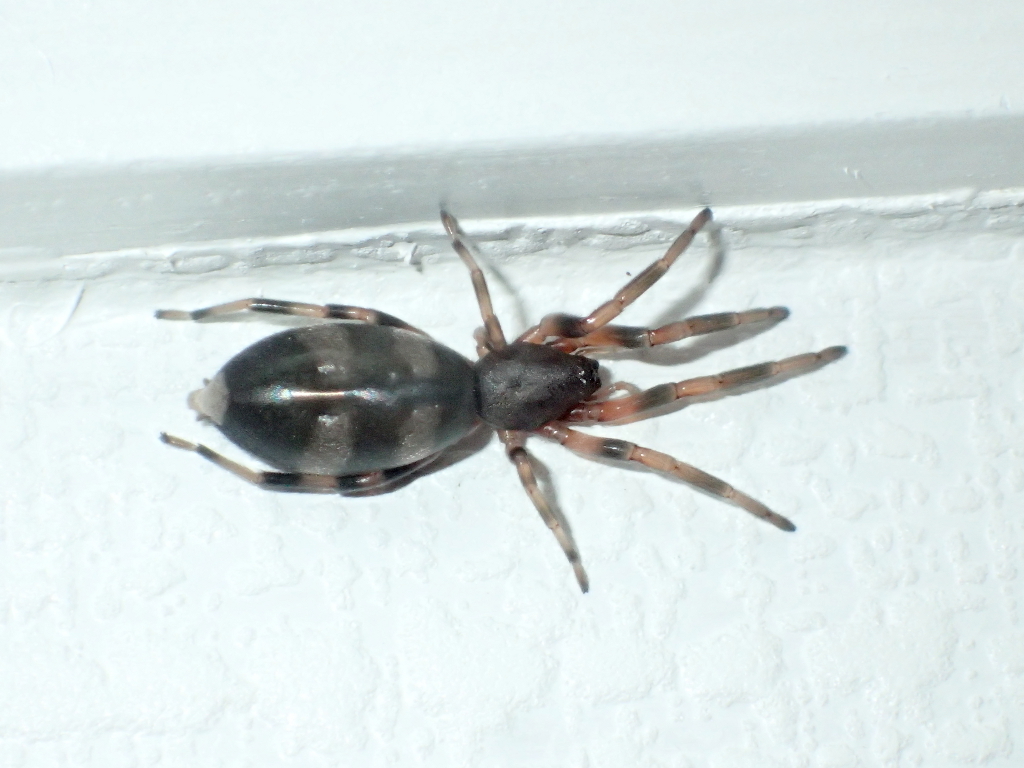
Eastern White-tail Spider
Lampona murina
Arachnidstrong against insects, birds
Common
Venom
While active with another arachnid in play, its target loses 4 HP at the start of each of its turns, as long as it stays active (7 with two others).
38

28
Eastern White-tail Spider
Lampona murina
Arachnidstrong against insects, birds
Common
While active with another arachnid in play, its target loses 4 HP at the start of each of its turns, as long as it stays active (7 with two others).
Lampona murina
Photo: © Tony Wills (original photo) · CC BY-SA 4.0 (licence text) · cropped
Strong against: it deals 20% more damage to them. Weak against: these types deal 20% more damage to it.
White-tailed spiders are spiders native to southern and eastern Australia, with the name referring to the whitish tips at the end of their abdomens. The body size is up to 18 mm, with a leg-span of 28 mm. Common species are Lampona cylindrata and Lampona murina. Both these species have been introduced into New Zealand.
White-tailed spiders are vagrant hunters that seek out and envenom prey rather than spinning a web to capture it; their preferred prey is other spiders.
They are reported to bite humans, with effects including a red mark, and local itchiness, swelling and pain. On rare occasions, bites can cause nausea, vomiting, malaise or headache. Although ulcers and necrosis have been attributed to the bites, a scientific study by Isbister and Gray (2003) showed they had other causes, mostly infections. A study of 130 white-tailed spider bites found no necrotic ulcers or confirmed infections.
Excerpt from the Wikipedia article White-tailed spider, by its authors, under the CC BY-SA 4.0 licence.
No global status on the IUCN Red List: that’s what makes this card Common.
Every Common card has 100 points, shared between HP, ATK and DEF:
How they’re shared out:

 DEF 28