 …
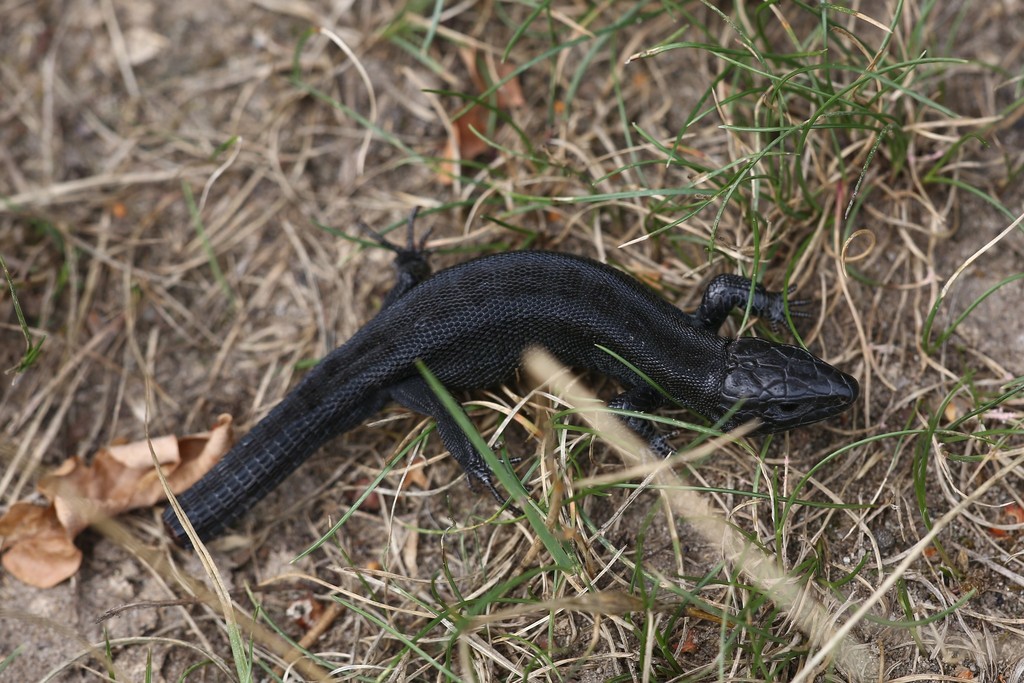
Sand Lizard
Lacerta agilis
Reptilestrong against amphibians, mammals
Common
Scales
While active with another reptile in play, it takes 3 less damage (6 with two others).
34

36
Sand Lizard
Lacerta agilis
Reptilestrong against amphibians, mammals
Common
While active with another reptile in play, it takes 3 less damage (6 with two others).
Lacerta agilis
Photo: © Lennart Hudel (original photo) · CC BY 4.0 (licence text) · cropped
Strong against: it deals 20% more damage to them. Weak against: these types deal 20% more damage to it.
The sand lizard (Lacerta agilis) is a lacertid lizard. There are several subspecies, including L. a. agilis, L. a. argus, and L. a. exigua.
The sand lizard is distributed across most of Europe from the southern coast of Britain and across the continent to Lake Baikal in Russia. It does not occur in European Turkey. Its distribution is often patchy. In the northern extremes of the sand lizard's distribution, it survives by inhabiting seaside heathlands, where the ground temperature is elevated by the sun. The sand lizard uses warm sand to thermoregulate itself and to incubate its eggs.
Males are known for their bright coloration and aggressive, possessive behaviors when seasonally competing for females. In contrast to other squamates, the sand lizard's mating season is very short. Males choose mates selectively, whereas females mate more indiscriminately. Females usually lay only a single clutch of eggs per year.
Sand lizards spend most of their time basking, foraging, or under vegetation. They prefer to live in diverse habitats. They are largely solitary outside of mating season. Male sand lizards typically have larger territories than females, and they will compete with other males when territory overlaps. Females neighbour each other more amicably, occasionally sharing habitats.
Sand lizards may live up to ten years. Due to their longevity, they are sometimes prone to inbreeding.
Excerpt from the Wikipedia article Sand lizard, by its authors, under the CC BY-SA 4.0 licence.
Least Concern on the IUCN Red List: that’s what makes this card Common.
Every Common card has 100 points, shared between HP, ATK and DEF:
How they’re shared out:

 DEF 36