 …
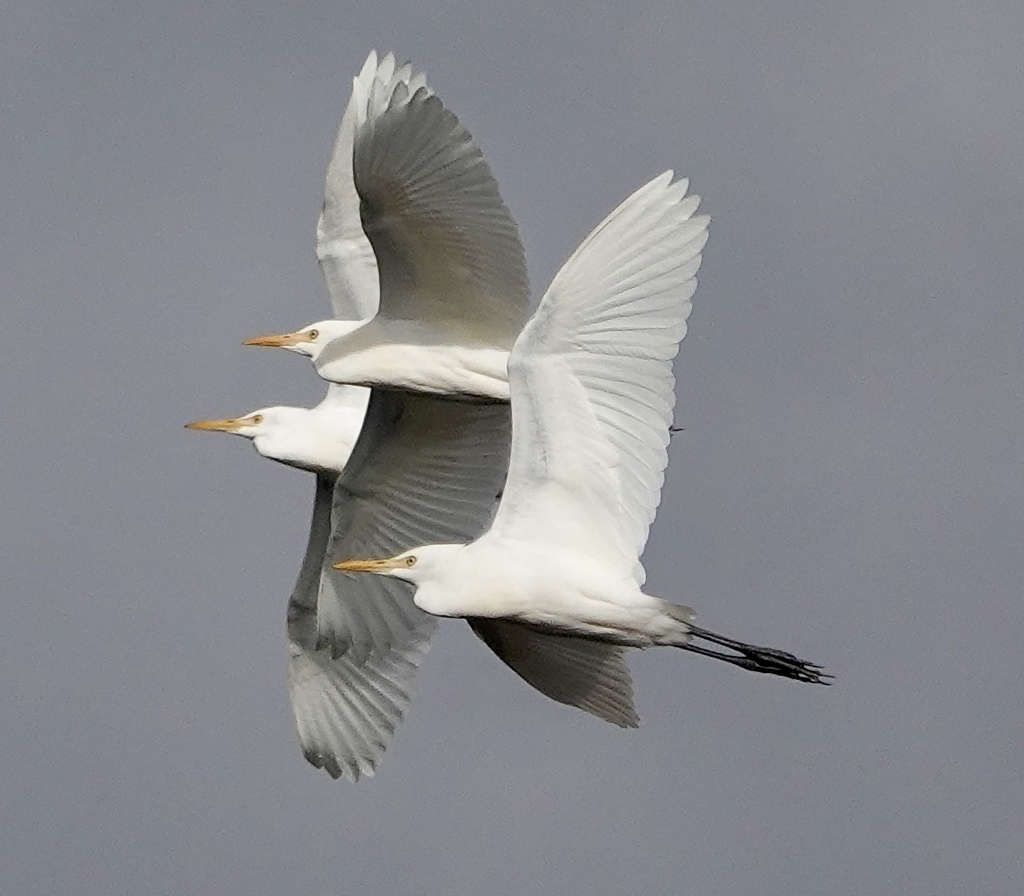
Eastern Cattle-Egret
Ardea coromanda
Birdstrong against fish, reptiles
Common
Swoop
While active with another bird in play, it hits 6 harder on its first attack after entering play (12 with two others).
30

34
Eastern Cattle-Egret
Ardea coromanda
Birdstrong against fish, reptiles
Common
While active with another bird in play, it hits 6 harder on its first attack after entering play (12 with two others).
Ardea coromanda
Photo: John Cull (original photo) · CC0 (licence text) · cropped
Strong against: it deals 20% more damage to them. Weak against: these types deal 20% more damage to it.
The eastern cattle egret (Ardea coromanda) is a species of heron (family Ardeidae) found in the tropics, subtropics and warm temperate zones. Formerly, most taxonomic authorities lumped this species and the western cattle egret together (called the cattle egret), but the two cattle egrets are now treated as separate species. Despite the similarities in plumage to the egrets of the genus Egretta, it is more closely related to the herons of Ardea. It is native to southern and eastern Asia, and Australasia.
It is a white bird adorned with buff plumes in the breeding season. It nests in colonies, usually near bodies of water and often with other wading birds. The nest is a platform of sticks in trees or shrubs. Eastern cattle egrets exploit drier and open habitats more than other heron species. Their feeding habitats include seasonally inundated grasslands, pastures, farmlands, wetlands and rice paddies. They often accompany cattle or other large mammals, catching insect and small vertebrate prey disturbed by these animals. Some populations of the cattle egret are migratory and others show post-breeding dispersal.
Abridged excerpt from the Wikipedia article Eastern cattle egret, by its authors, under the CC BY-SA 4.0 licence.
No global status on the IUCN Red List: that’s what makes this card Common.
Every Common card has 100 points, shared between HP, ATK and DEF:
How they’re shared out:

 DEF 34