 …
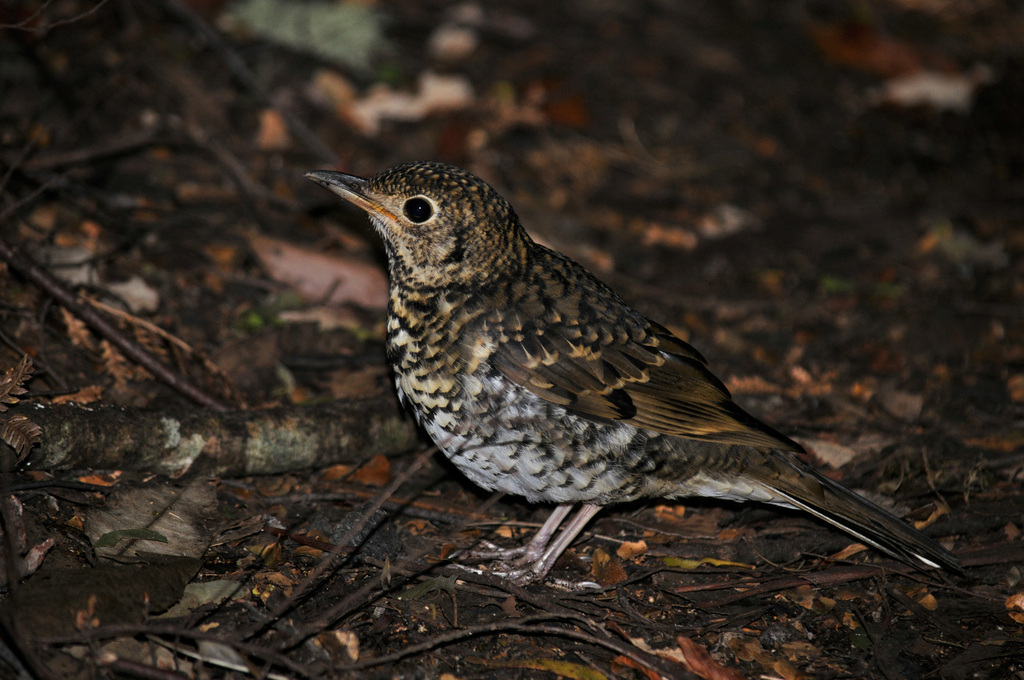
Bassian Thrush
Zoothera lunulata
Birdstrong against fish, reptiles
Common
Swoop
While active with another bird in play, it hits 6 harder on its first attack after entering play (12 with two others).
29

38
Bassian Thrush
Zoothera lunulata
Birdstrong against fish, reptiles
Common
While active with another bird in play, it hits 6 harder on its first attack after entering play (12 with two others).
Zoothera lunulata
Photo: © Nathan Ruser (original photo) · CC BY 4.0 (licence text) · cropped
Strong against: it deals 20% more damage to them. Weak against: these types deal 20% more damage to it.
The Bassian thrush (Zoothera lunulata), also known as the olive-tailed thrush, is a medium-sized mostly insectivorous thrush found from northern Queensland to southeastern Australia. It also occurs in Tasmania, on some larger islands of Bass Strait, and on Kangaroo Island. The thrushes range from 27 to 29 cm (10.5 to 11.5 in) in length and average 100 g (3.5 oz) in weight.
It is estimated that the range-wide population is large, though no official count has ever been established. The population appears to be declining because of ongoing habitat destruction and degradation, but not at a rate that is concerning.
The Bassian thrush lives in shrubland, forests, and rainforests. It appears to be a resident species, but there is some evidence that some individuals have nomadic tendencies, usually in the non-breeding season.
The thrush ranges in colour from brown to olive, with a white ring around its eyes and black bars on its back, rear, and head. Its underbody is paler, with dark scalloping, and its wings have a dark bar running the length of the underside.
Abridged excerpt from the Wikipedia article Bassian thrush, by its authors, under the CC BY-SA 4.0 licence.
Least Concern on the IUCN Red List: that’s what makes this card Common.
Every Common card has 100 points, shared between HP, ATK and DEF:
How they’re shared out:

 DEF 38