 …
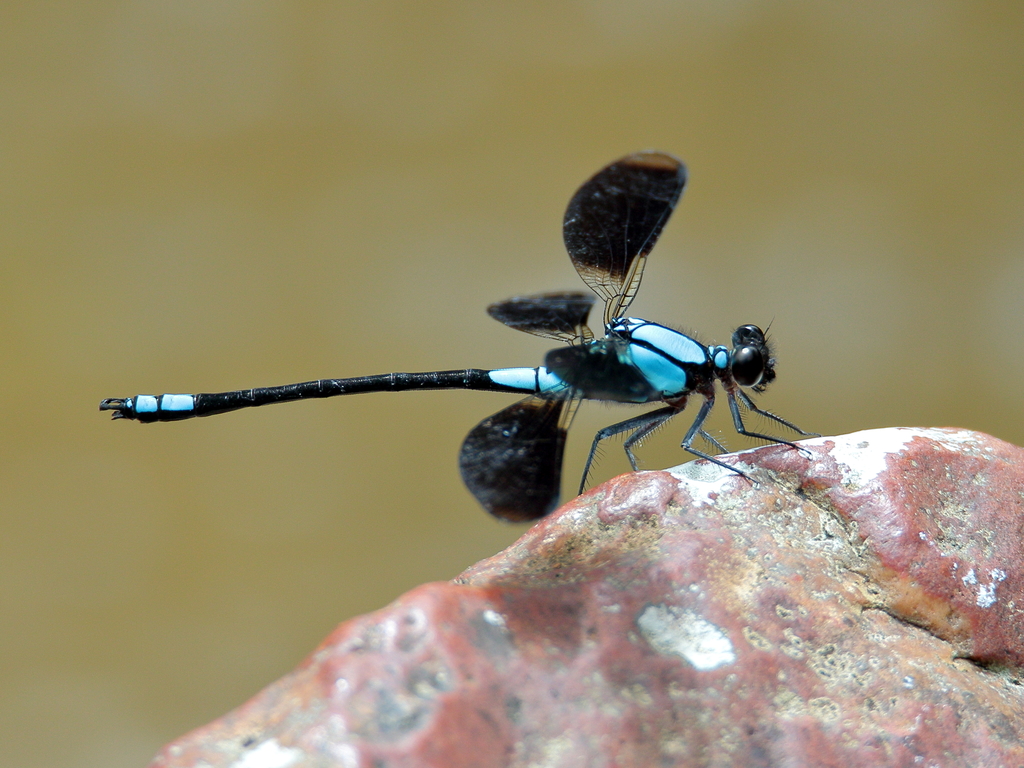
Tropical Rockmaster
Diphlebia euphoeoides
Insectstrong against fungi, fish
Common
Swarm
While active with another insect in play, each of its attacks also hits the opposing bench for 10, without knocking them out (20 with two others).
31

37
Tropical Rockmaster
Diphlebia euphoeoides
Insectstrong against fungi, fish
Common
While active with another insect in play, each of its attacks also hits the opposing bench for 10, without knocking them out (20 with two others).
Diphlebia euphoeoides
Photo: © Graham Winterflood (original photo) · CC BY-SA 4.0 (licence text) · cropped
Strong against: it deals 20% more damage to them. Weak against: these types deal 20% more damage to it.
Diphlebia euphoeoides, sometimes spelled Diphlebia euphaeoides, known as the tropical rockmaster, is an Australian species of broad winged damselfly.
It is one of a group known as the azure damselflies. It is found in Queensland (Australia) and Papua New Guinea. It typically occurs near lakes, waterfalls or streams at relatively low altitudes, and is occasionally seen near dry pools.
Unusually for damselflies, it is a relatively large insect with its wings outspread at rest. It is often confused with dragonflies, although like most damselflies, the form is not as robust as dragonflies, and the eyes do not meet as with most dragonflies. Larvae are wide and flat, with long saccoid gills to breathe underwater. The inner tooth of labial palps is elongated. The specific characters of the larvae are mid-ventral, distal width, basal width, and length of median lobe. Larval motor patterns were similar to larvae in the Coenagrionidae.
The male tropical rockmaster has a bright blue and black body with dark wings. It can be distinguished from the sapphire rockmaster (Diphlebia coerulescens) by the smaller size of blue markings at the base (front end) and underside of terga 4 to 6. Its abdomen is otherwise black. Its wings are the widest in the genus, and the hindwings are wider than the forewings. The legs are brownish black. The female tropical rockmaster is predominantly brown and yellow-green, and also has smoky-coloured wings.
Abridged excerpt from the Wikipedia article Diphlebia euphoeoides, by its authors, under the CC BY-SA 4.0 licence.
Least Concern on the IUCN Red List: that’s what makes this card Common.
Every Common card has 100 points, shared between HP, ATK and DEF:
How they’re shared out:

 DEF 37