 …
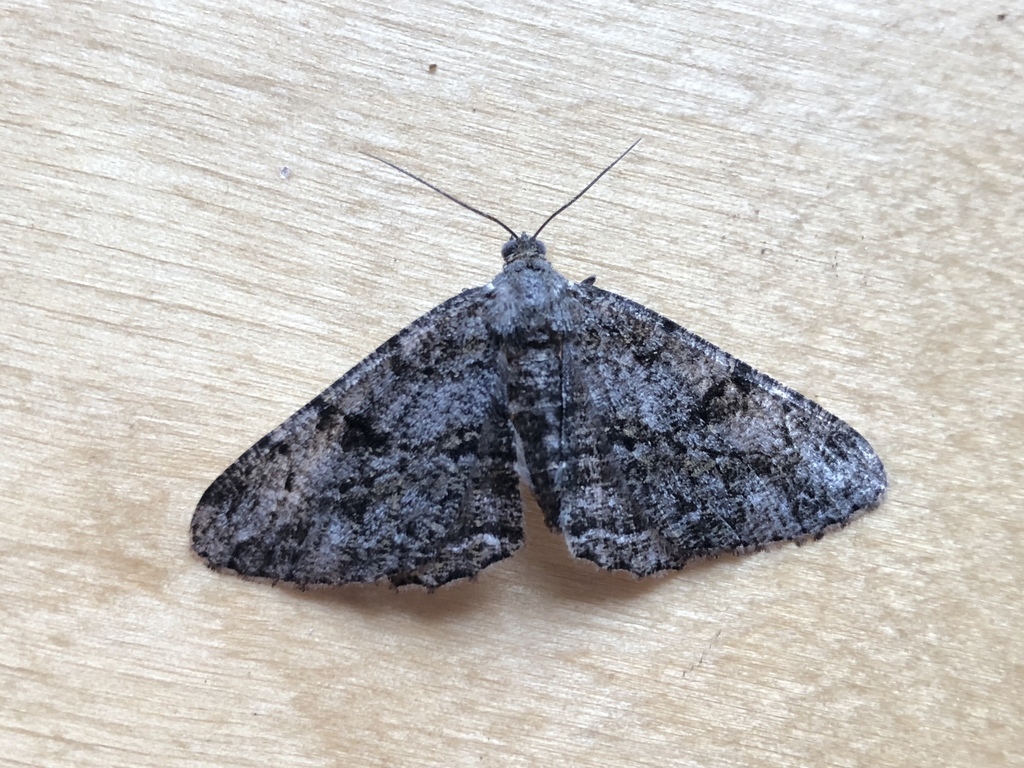
Willow Beauty
Peribatodes rhomboidaria
Insectstrong against fungi, fish
Common
Swarm
While active with another insect in play, each of its attacks also hits the opposing bench for 10, without knocking them out (20 with two others).
41

39
Willow Beauty
Peribatodes rhomboidaria
Insectstrong against fungi, fish
Common
While active with another insect in play, each of its attacks also hits the opposing bench for 10, without knocking them out (20 with two others).
Peribatodes rhomboidaria
Photo: © Jason Grant (original photo) · CC BY 4.0 (licence text) · cropped
Strong against: it deals 20% more damage to them. Weak against: these types deal 20% more damage to it.
The willow beauty (Peribatodes rhomboidaria) is a moth of the family Geometridae. It is a common species of Europe and adjacent regions (Near East and the Maghreb). While it is found widely throughout Scandinavian countries, which have a maritime climate, it is absent from parts of the former USSR which are at the same latitude but have a more continental climate.
Up to four subspecies are listed by some authors, while others consider the willow beauty a monotypic species or accept only rhomboidaria and sublutearia as distinct:
Peribatodes rhomboidaria corsicaria (Schawerda 1931)
Peribatodes rhomboidaria defloraria (Dannehl 1928)
Peribatodes rhomboidaria rhomboidaria (Denis & Schiffermüller, 1775)
Peribatodes rhomboidaria sublutearia (Zerny 1927)
Under its junior synonym Geometra rhomboidaria, the willow beauty is the type species of its genus Peribatodes. This was initially proposed as a subgenus of Boarmia but eventually elevated to full genus rank.
Excerpt from the Wikipedia article Willow beauty, by its authors, under the CC BY-SA 4.0 licence.
No global status on the IUCN Red List: that’s what makes this card Common.
Every Common card has 100 points, shared between HP, ATK and DEF:
How they’re shared out:

 DEF 39