 …
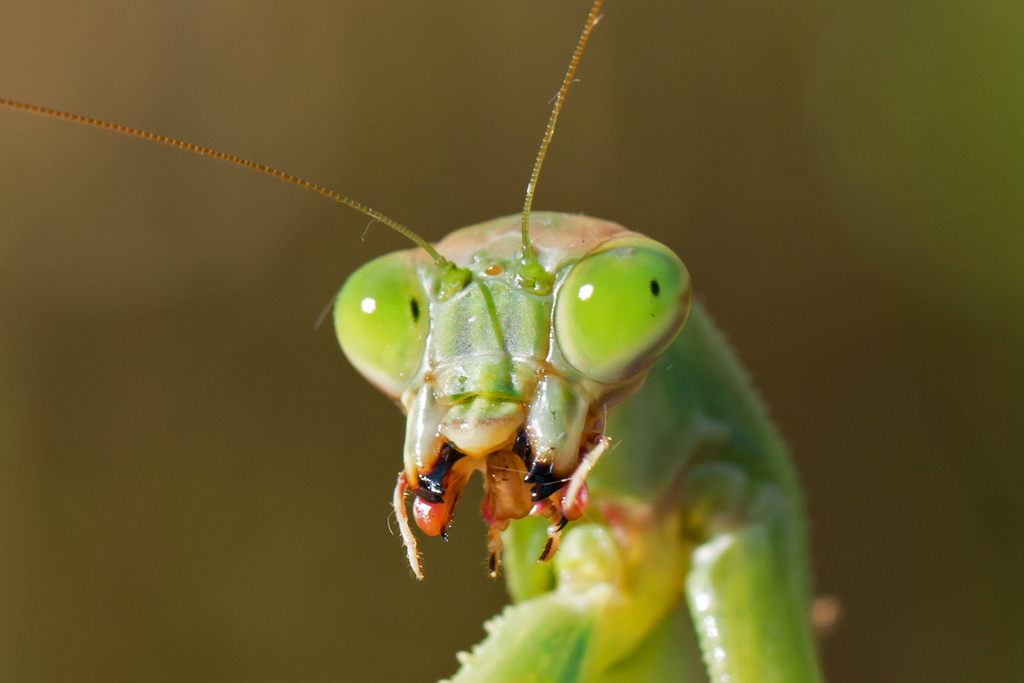
Chinese Mantis
Tenodera sinensis
Insectstrong against fungi, fish
Common
Swarm
While active with another insect in play, each of its attacks also hits the opposing bench for 10, without knocking them out (20 with two others).
32

33
Chinese Mantis
Tenodera sinensis
Insectstrong against fungi, fish
Common
While active with another insect in play, each of its attacks also hits the opposing bench for 10, without knocking them out (20 with two others).
Tenodera sinensis
Photo: © Bill Keim (original photo) · CC BY 4.0 (licence text) · cropped
Strong against: it deals 20% more damage to them. Weak against: these types deal 20% more damage to it.
The Chinese mantis (Tenodera sinensis), is a species of mantis native to temperate Asia and the nearby islands. In 1896, this species was accidentally introduced by a nursery tender at Mt. Airy, a neighborhood of Philadelphia, United States. T. sinensis often is erroneously referred to as Tenodera aridifolia sinensis because it was at first described as a subspecies of Tenodera aridifolia, but T. sinensis is now established as a full species.
T. sinensis feeds primarily on other large insects, though adult females sometimes catch small vertebrates. For example, they have been observed feeding on hornets, spiders, grasshoppers, katydids, small reptiles, amphibians, and even hummingbirds. Like most mantids, they are known to be cannibalistic. One study found that cannibalism occurs in up to 50% of matings. These mantids have been observed eating the larvae of monarch butterflies, while discarding the entrails.
Excerpt from the Wikipedia article Chinese mantis, by its authors, under the CC BY-SA 4.0 licence.
No global status on the IUCN Red List: that’s what makes this card Common.
Every Common card has 100 points, shared between HP, ATK and DEF:
How they’re shared out:

 DEF 33