 …
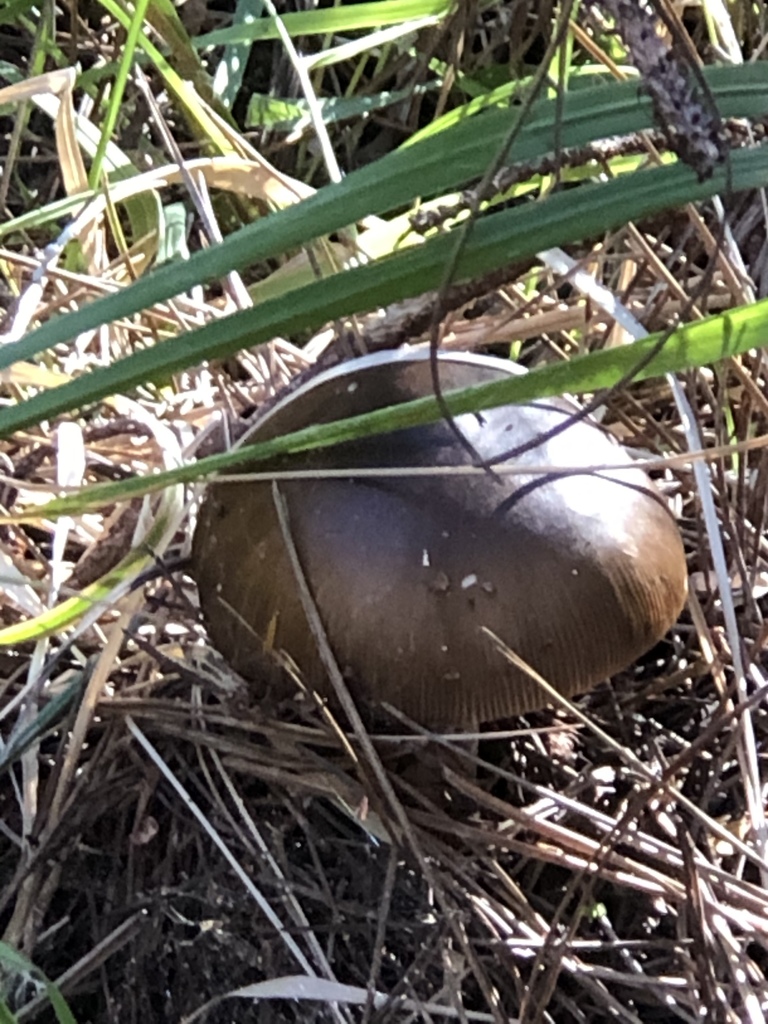
Western Grisette
Amanita pachycolea
Fungusstrong against amphibians, reptiles
Common
Mycelium
While active with another fungus in play, it regains 5 HP at the start of your turn (8 with two others).
40

28
Western Grisette
Amanita pachycolea
Fungusstrong against amphibians, reptiles
Common
While active with another fungus in play, it regains 5 HP at the start of your turn (8 with two others).
Amanita pachycolea
Photo: © Ken Buegeleisen (original photo) · CC BY 4.0 (licence text) · cropped
Strong against: it deals 20% more damage to them. Weak against: these types deal 20% more damage to it.
Amanita pachycolea, commonly known as the western grisette or the Stuntz's great ringless amanita, is a species of agaric fungus in the family Amanitaceae.
The cap is brown, sometimes lighter near the margin. The gills are white with gray-brown edges, staining orange-brown in age. The stipe is white to brownish with a fibrillose or scaly surface. The base is enclosed by a thick, felty volva, which is white in youth, then yellow or brownish, sometimes becoming reddish in age.
A. pachycolea was recognized as a distinct species by mycologist Daniel Elliot Stuntz, and published in 1982 by Harry Delbert Thiers. It is classified in Amanita section Vaginatae, which includes species with conspicuous radial striations on the cap (8–20 centimetres or 3–8 inches wide), inamyloid spores, and the absence of a ring on the stipe (10–25 cm long, 1–3 cm wide, tapering upward).
Found in western North America, it associates with conifers in coniferous and mixed forests. The mushroom is edible, but not choice and also not recommended due to possible confusion with toxic Amanita species.
Excerpt from the Wikipedia article Amanita pachycolea, by its authors, under the CC BY-SA 4.0 licence.
No global status on the IUCN Red List: that’s what makes this card Common.
Every Common card has 100 points, shared between HP, ATK and DEF:
How they’re shared out:

 DEF 28