 …
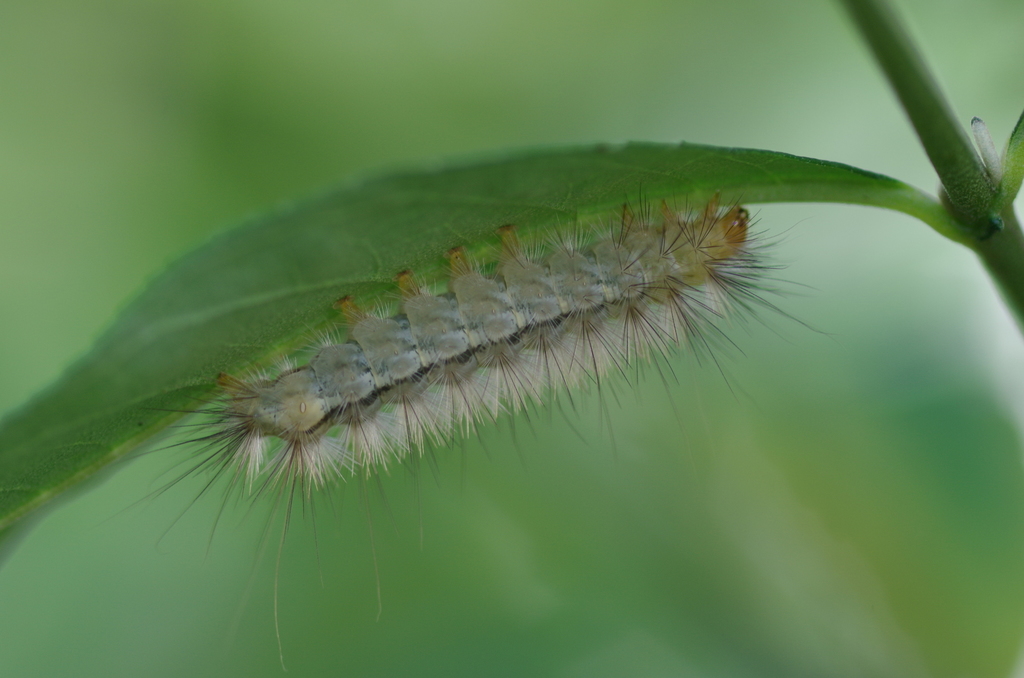
Buff Ermine
Spilosoma lutea
Insectstrong against fungi, fish
Common
Swarm
While active with another insect in play, each of its attacks also hits the opposing bench for 10, without knocking them out (20 with two others).
40

37
Buff Ermine
Spilosoma lutea
Insectstrong against fungi, fish
Common
While active with another insect in play, each of its attacks also hits the opposing bench for 10, without knocking them out (20 with two others).
Spilosoma lutea
Photo: © Aah-Yeah (original photo) · CC BY 4.0 (licence text) · cropped
Strong against: it deals 20% more damage to them. Weak against: these types deal 20% more damage to it.
The buff ermine (Spilarctia luteum) is a moth of the family Erebidae. It is sometimes placed in the genus Spilosoma. The species was first described by Johann Siegfried Hufnagel in 1766. It is found throughout the temperate belt of the Palearctic region south to northern Turkey, Georgia, Kazakhstan, southern Siberia (excluding Buryatia), eastern Mongolia, Amur Region, China, Korea and Japan.
The wings of this species are buffish yellow (the males tend to be more yellow than the females) and are typically marked with a diagonal row of dark spots on the forewing and a few other scattered spots on both forewings and hindwings. The extent of black markings varies considerably, however, from almost spotless examples to largely black melanic forms. The wingspan is 34–42 mm. The species flies from May to July in the British Isles. This may vary in other parts of the range. It is attracted to light.
The larva is pale brown and very hairy. It is polyphagous, feeding on a wide variety of trees, shrubs and herbaceous plants (see list). This species overwinters as a pupa.
Excerpt from the Wikipedia article Buff ermine, by its authors, under the CC BY-SA 4.0 licence.
No global status on the IUCN Red List: that’s what makes this card Common.
Every Common card has 100 points, shared between HP, ATK and DEF:
How they’re shared out:

 DEF 37