 …
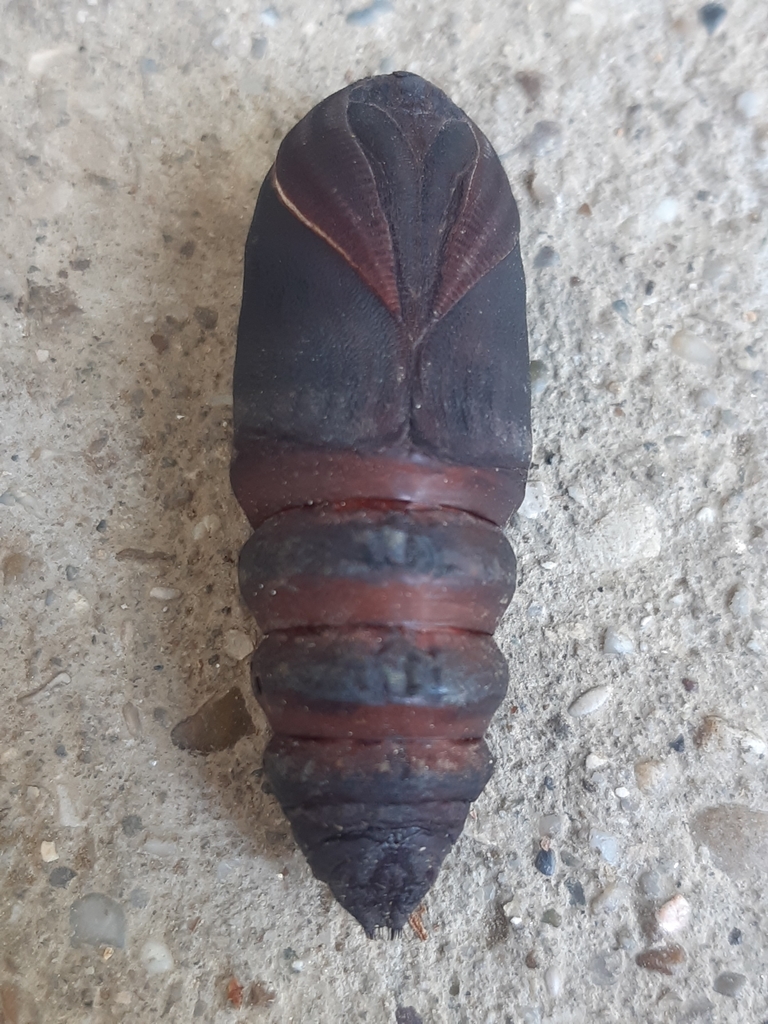
Giant Peacock Moth
Saturnia pyri
Insectstrong against fungi, fish
Common
Swarm
While active with another insect in play, each of its attacks also hits the opposing bench for 10, without knocking them out (20 with two others).
41

36
Giant Peacock Moth
Saturnia pyri
Insectstrong against fungi, fish
Common
While active with another insect in play, each of its attacks also hits the opposing bench for 10, without knocking them out (20 with two others).
Saturnia pyri
Photo: © Martin Scheuch (original photo) · CC BY 4.0 (licence text) · cropped
Strong against: it deals 20% more damage to them. Weak against: these types deal 20% more damage to it.
Saturnia pyri, the giant peacock moth, great peacock moth, giant emperor moth or Viennese emperor, is a Saturniid moth which is native to Europe. The species was first described by Michael Denis and Ignaz Schiffermüller in 1775. It is the largest European moth, with a wingspan reaching 15–20 cm (6–8 in).
The giant peacock moth has a range that includes the Iberian Peninsula, southern France, northern Hungary, central and southern Serbia, Croatia, Montenegro, southern and eastern Bulgaria, southern Greece southern Turkey, south Kyrgyzstan, western Syria, Lebanon, Israel, southern Romania, Russia, Ukraine, Czech Republic, Slovak Republic, Slovenia, North Macedonia and Italy and extends into Siberia and North Africa. It is absent from the UK, though a small handful of individuals have been recorded, likely of captive origin.
Excerpt from the Wikipedia article Saturnia pyri, by its authors, under the CC BY-SA 4.0 licence.
No global status on the IUCN Red List: that’s what makes this card Common.
Every Common card has 100 points, shared between HP, ATK and DEF:
How they’re shared out:

 DEF 36