 …
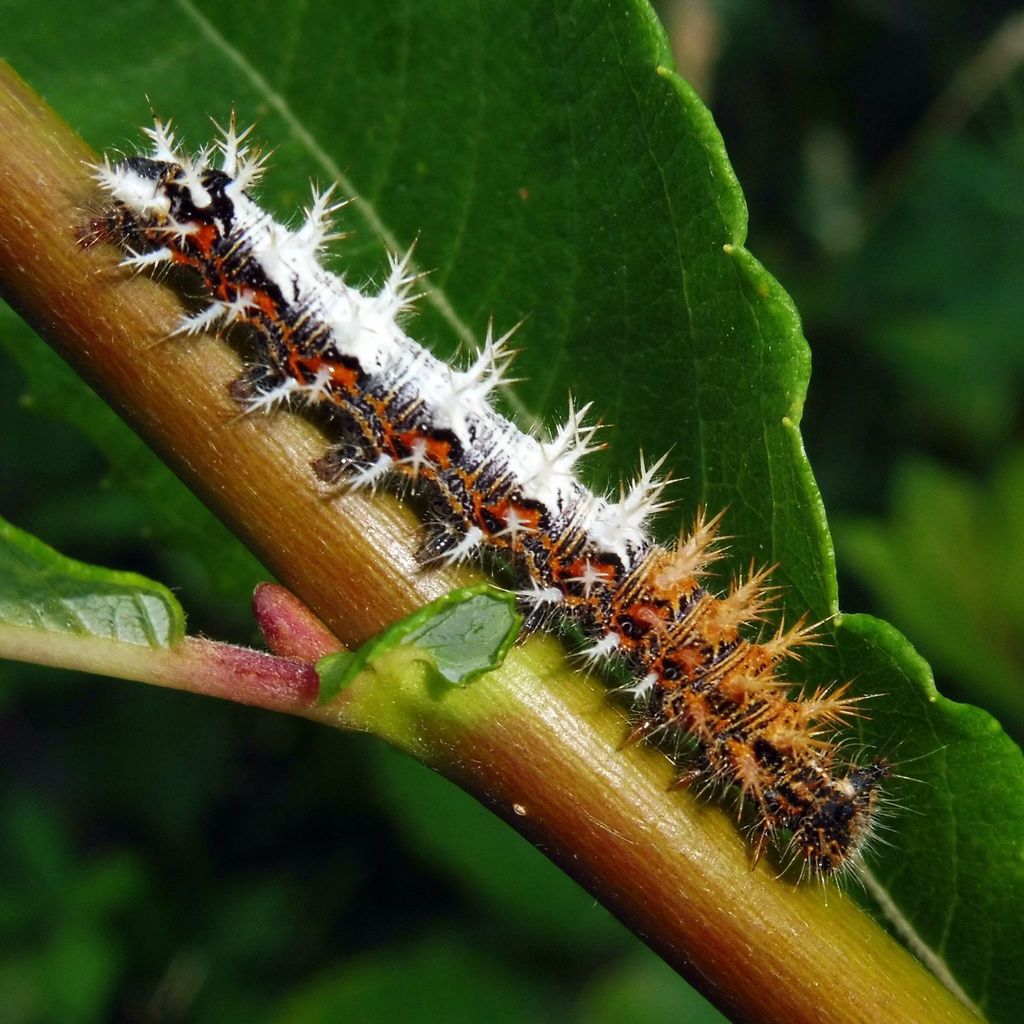
European Comma
Polygonia c-album
Insectstrong against fungi, fish
Common
Swarm
While active with another insect in play, each of its attacks also hits the opposing bench for 10, without knocking them out (20 with two others).
43

35
European Comma
Polygonia c-album
Insectstrong against fungi, fish
Common
While active with another insect in play, each of its attacks also hits the opposing bench for 10, without knocking them out (20 with two others).
Polygonia c-album
Photo: © Barry Walter (original photo) · CC BY 4.0 (licence text) · cropped
Strong against: it deals 20% more damage to them. Weak against: these types deal 20% more damage to it.
Polygonia c-album, or the comma, is a food generalist (polyphagous) butterfly species belonging to the family Nymphalidae. The angular notches on the edges of the forewings are characteristic of the genus Polygonia, which is why species in the genus are commonly referred to as anglewing butterflies. Comma butterflies can be identified by their prominent orange and dark brown/black dorsal wings.
Both the larval and adult stages exhibit protective camouflage, mimicking bird droppings and fallen leaves respectively, which reduces predation. The pupae are also cryptic, resembling shriveled leaves. During the later stage of development, the larvae also develop strong spines along their backs. The species is commonly found in Europe, North Africa, and Asia, and contains several subspecies. Although the species is not migratory, the butterflies are strong fliers, resulting in an open population structure with high gene flow and increased genetic variation.
Excerpt from the Wikipedia article Polygonia c-album, by its authors, under the CC BY-SA 4.0 licence.
No global status on the IUCN Red List: that’s what makes this card Common.
Every Common card has 100 points, shared between HP, ATK and DEF:
How they’re shared out:

 DEF 35