 …
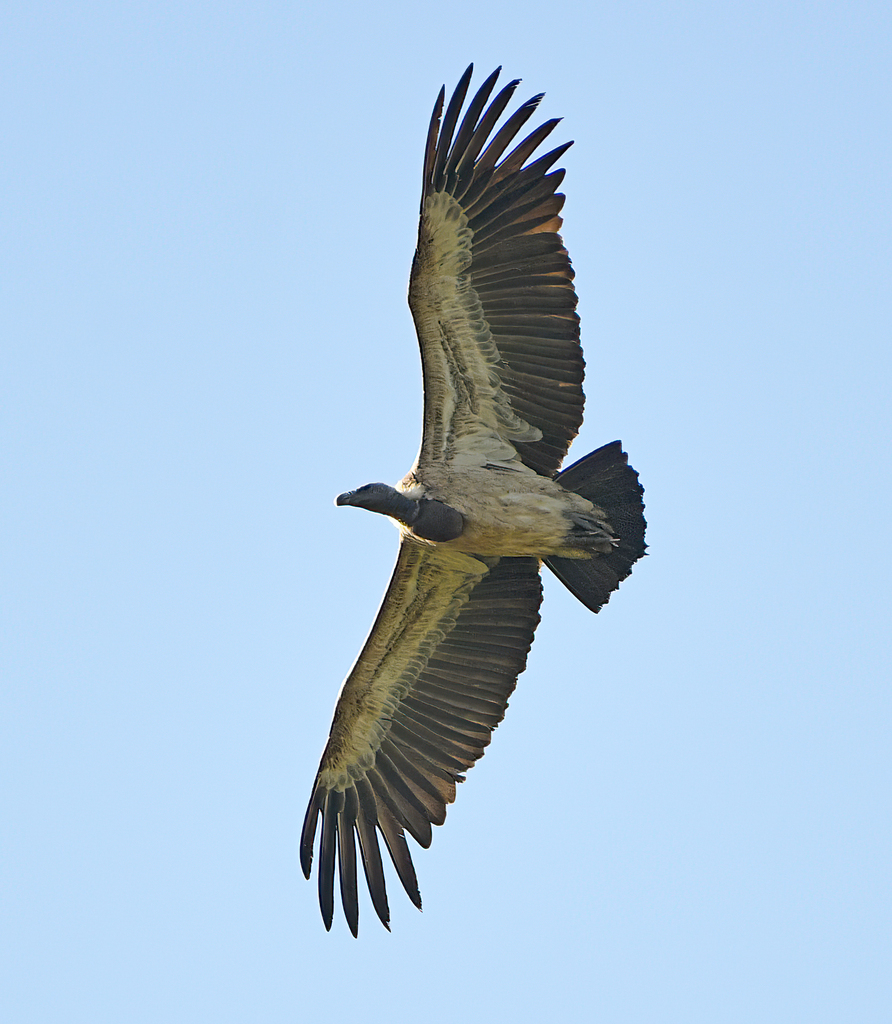
Indian Vulture
Gyps indicus
Birdstrong against fish, reptiles
Mythic
Leader · Swoop
Counts as two birds: while active, it hits 6 harder on its first attack after entering play (12 with another bird in play).
46

56
Indian Vulture
Gyps indicus
Birdstrong against fish, reptiles
Mythic
Counts as two birds: while active, it hits 6 harder on its first attack after entering play (12 with another bird in play).
Gyps indicus
Photo: © Pål A. Olsvik (original photo) · CC BY 4.0 (licence text) · cropped
Strong against: it deals 20% more damage to them. Weak against: these types deal 20% more damage to it.
The Indian vulture or long-billed vulture (Gyps indicus) is a bird of prey native to the Indian subcontinent. It is an Old World vulture belonging to the family of Accipitridae. It is a medium-sized vulture with a small, semi-bald head with little feathers, long beak, and wide dark colored wings. It breeds mainly on small cliffs and hilly crags in central India and south India.
The Indian vulture is a keystone species that has been listed as Critically Endangered on the IUCN Red List since 2002, as the population has severely declined during the Indian vulture crisis. It is estimated that there are 5,000-15,000 mature individuals in the wild. The main cause of the decline was identified as kidney failure caused by the drug diclofenac, which was commonly given to cattle to reduce joint pain. It is thought that diclofenac poisoned vultures that ate the flesh of dead cattle. Diclofenac bans were enacted in India, Pakistan and Nepal in 2006.
The bird shares its habitat with other vulture species in the same genus (particularly the slender-billed vulture (Gyps tenuirostris) and white-rumped vulture (Gyps bengalensis)) in some parts of its range.
Excerpt from the Wikipedia article Indian vulture, by its authors, under the CC BY-SA 4.0 licence.
Critically Endangered on the IUCN Red List: that’s what makes this card Mythic.
Every Mythic card has 160 points, shared between HP, ATK and DEF:
How they’re shared out:

 DEF 56