 …
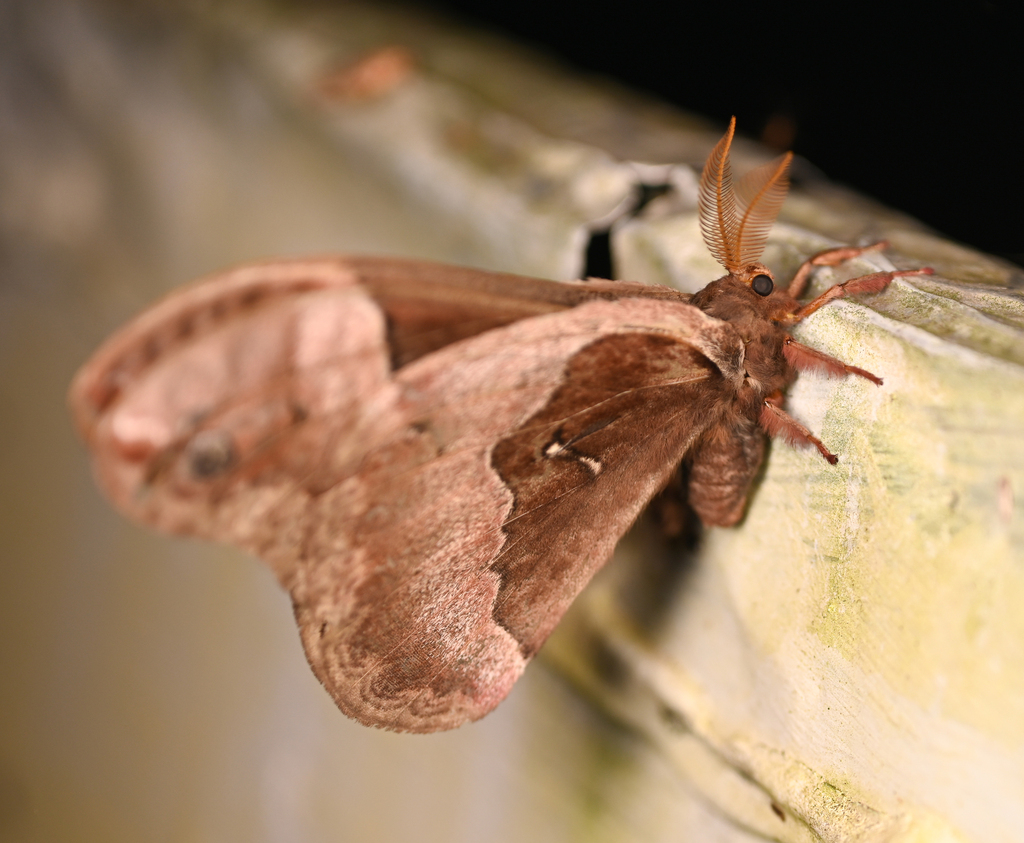
Tulip-tree Silkmoth
Callosamia angulifera
Insectstrong against fungi, fish
Common
Swarm
While active with another insect in play, each of its attacks also hits the opposing bench for 10, without knocking them out (20 with two others).
40

36
Tulip-tree Silkmoth
Callosamia angulifera
Insectstrong against fungi, fish
Common
While active with another insect in play, each of its attacks also hits the opposing bench for 10, without knocking them out (20 with two others).
Callosamia angulifera
Photo: © Amber M. King (original photo) · CC BY 4.0 (licence text) · cropped
Strong against: it deals 20% more damage to them. Weak against: these types deal 20% more damage to it.
Callosamia angulifera, the tuliptree silkmoth or giant silkmoth, is a moth of the family Saturniidae. It is found in North America from Massachusetts east through central New York, southern Ontario, and southern Michigan to central Illinois, south to the Florida panhandle and Mississippi.
The wingspan is 8–11 cm (3.1–4.3 in). In the north there is one generation per year, with adults on wing from June to August, while in the south there are two generations per year, with adults on wing from March to April and again in August.
The larvae feed on Liriodendron tulipifera. Adults do not feed.
Excerpt from the Wikipedia article Callosamia angulifera, by its authors, under the CC BY-SA 4.0 licence.
No global status on the IUCN Red List: that’s what makes this card Common.
Every Common card has 100 points, shared between HP, ATK and DEF:
How they’re shared out:

 DEF 36