 …
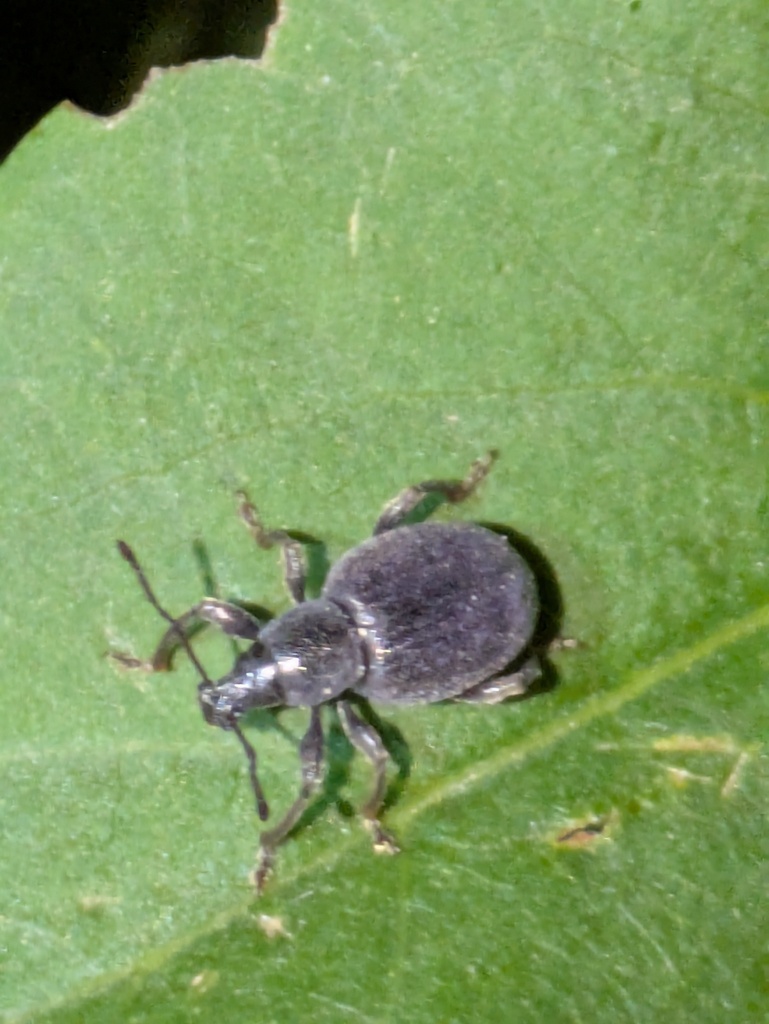
Lilac Root Weevil
Otiorhynchus meridionalis
Insectstrong against fungi, fish
Common
Swarm
While active with another insect in play, each of its attacks also hits the opposing bench for 10, without knocking them out (20 with two others).
39

38
Lilac Root Weevil
Otiorhynchus meridionalis
Insectstrong against fungi, fish
Common
While active with another insect in play, each of its attacks also hits the opposing bench for 10, without knocking them out (20 with two others).
Otiorhynchus meridionalis
Photo: © antimatterbee (original photo) · CC BY 4.0 (licence text) · cropped
Strong against: it deals 20% more damage to them. Weak against: these types deal 20% more damage to it.
Otiorhynchus meridionalis, the lilac root weevil, is a species of broad-nosed weevil in the family Curculionidae. It is found in North America. Lilac root weevils are shiny, brownish-black beetles, about 0.25 inches (6 mm) with long snout (rostrum) and geniculate (elbowed) antennae. They are common landscape pests, feeding on lilac, euonymous and peonies.
Larvae feed on plant roots, while adult insects feed on leaves, eating only the edges in form of numerous U-shaped notches. They are commonly present on North American lilac, but rarely create lasting damage to the plant.
Adult insects are nocturnal. Like other root weevils (O. ovatus, O. rugostriatus and O. sulcatus), they often wander into households during hot summer months in search for shade and moisture. Although harmless to humans, pets and furnishings, they pose a nuisance. Treatment with pyrethroid-based insecticides is recommended only in cases of severe infestations, and the occasional bug is best tolerated or removed mechanically.
Excerpt from the Wikipedia article Otiorhynchus meridionalis, by its authors, under the CC BY-SA 4.0 licence.
No global status on the IUCN Red List: that’s what makes this card Common.
Every Common card has 100 points, shared between HP, ATK and DEF:
How they’re shared out:

 DEF 38