 …
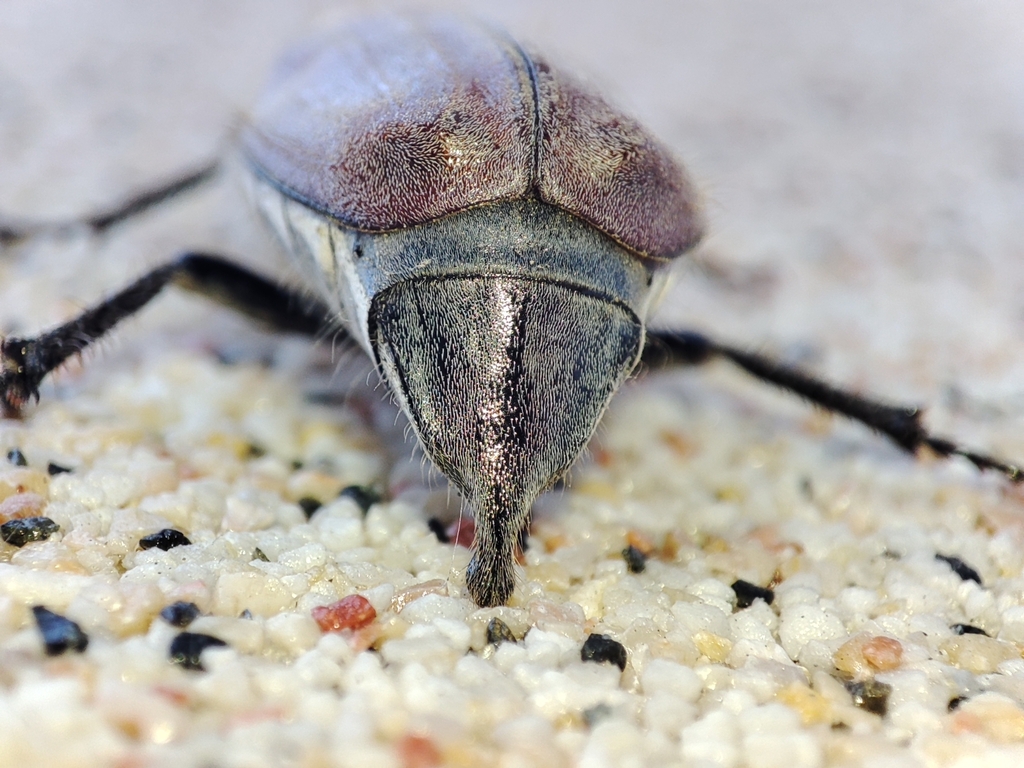
Chestnut cockchafer
Melolontha hippocastani
Insectstrong against fungi, fish
Common
Swarm
While active with another insect in play, each of its attacks also hits the opposing bench for 10, without knocking them out (20 with two others).
41

37
Chestnut cockchafer
Melolontha hippocastani
Insectstrong against fungi, fish
Common
While active with another insect in play, each of its attacks also hits the opposing bench for 10, without knocking them out (20 with two others).
Melolontha hippocastani
Photo: © Igor Balashov (original photo) · CC BY 4.0 (licence text) · cropped
Strong against: it deals 20% more damage to them. Weak against: these types deal 20% more damage to it.
Melolontha hippocastani, the northern cockchafer, is a species of scarab beetle native to Eurasia, with its range spanning from Western Europe to the Pacific coast of China. It is one of several species in the genus Melolontha known as cockchafers, alongside the common cockchafer (Melolontha melolontha) and Melolontha pectoralis, but generally at more northern latitudes, or at higher altitudes in upland woods of further southern Europe. The adults are around 20–29 mm in length. It is distinguished from Melolontha melolontha by the shape of its pygidium, which is primarily black in colour, and red in M. melolontha. It primarily dwells in forests, and as such is also known as the forest cockchafer. The mate-finding behaviour in M. hippocastani is facilitated by plant volatiles and sex pheromones. Mating activities primarily takes place during the evening flight periods. Females lay their eggs in soil, and the larvae scavenges on decaying organic matter and later small plant roots, including the roots of young trees like pines and firs. The larvae usually develop between 3 and 5 years. They emerge between late April and the end of June. Like other cockchafers, they have been considered a serious pest of crops and trees particularly the oak tree.
Excerpt from the Wikipedia article Melolontha hippocastani, by its authors, under the CC BY-SA 4.0 licence.
No global status on the IUCN Red List: that’s what makes this card Common.
Every Common card has 100 points, shared between HP, ATK and DEF:
How they’re shared out:

 DEF 37