 …
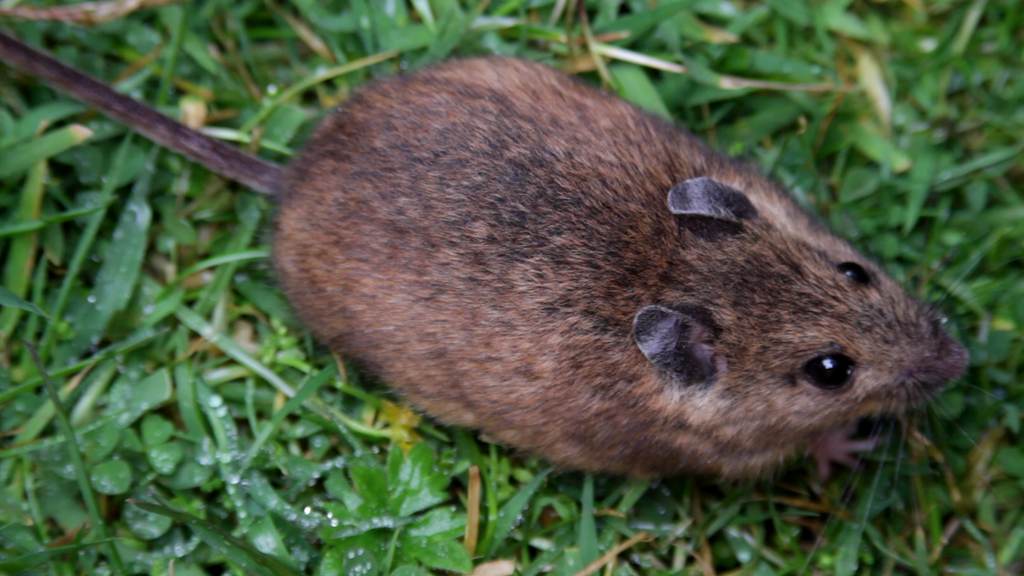
European Wood Mouse
Apodemus sylvaticus
Mammalstrong against birds, fungi
Common
Pack
While active with another mammal in play, it hits 7 harder (14 with two others).
44

37
European Wood Mouse
Apodemus sylvaticus
Mammalstrong against birds, fungi
Common
While active with another mammal in play, it hits 7 harder (14 with two others).
Apodemus sylvaticus
Photo: © Jackhynes (original photo) · CC BY-SA 4.0 (licence text) · cropped
Strong against: it deals 20% more damage to them. Weak against: these types deal 20% more damage to it.
The wood mouse (Apodemus sylvaticus) is a murid rodent native to Europe and northwestern Africa. It is closely related to the yellow-necked mouse (A. flavicollis) but differs in that it has no band of yellow fur around the neck, has slightly smaller ears, and is usually slightly smaller overall: around 90 mm (3.54 in) in length and 23 g in weight. It is found across most of Europe and is a very common and widespread species, is commensal with people and is sometimes considered a pest. Other common names are long-tailed field mouse, field mouse, common field mouse, and European wood mouse. This species is a known potential carrier of the Dobrava sequence of hantavirus which affects humans and may pose serious risks to human health.
Excerpt from the Wikipedia article Wood mouse, by its authors, under the CC BY-SA 4.0 licence.
Least Concern on the IUCN Red List: that’s what makes this card Common.
Every Common card has 100 points, shared between HP, ATK and DEF:
How they’re shared out:

 DEF 37