 …
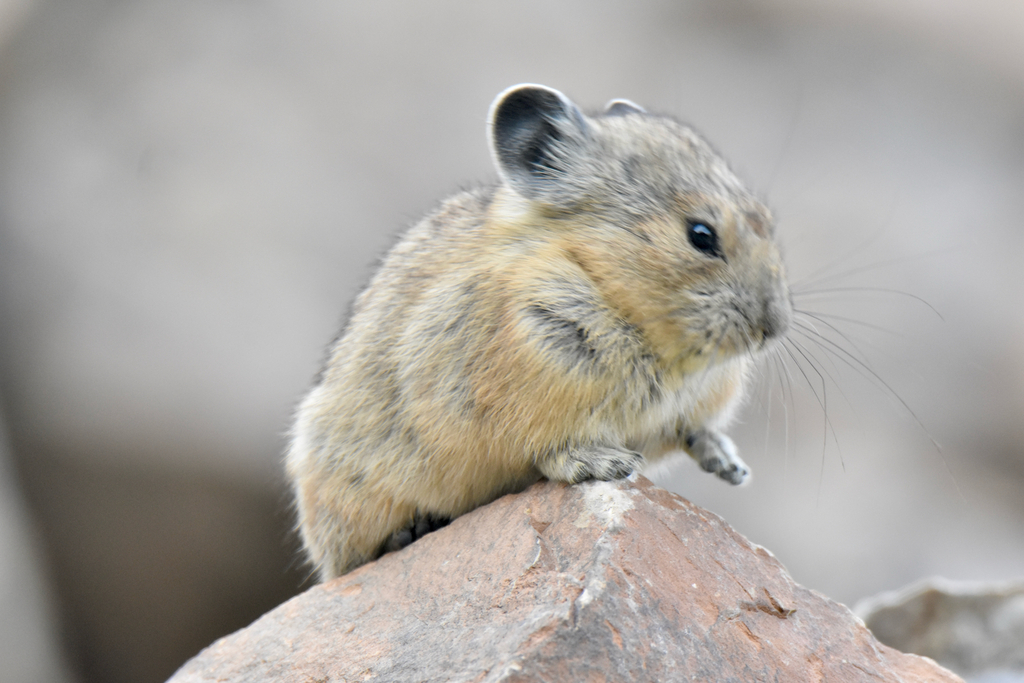
American Pika
Ochotona princeps
Mammalstrong against birds, fungi
Common
Pack
While active with another mammal in play, it hits 7 harder (14 with two others).
43

37
American Pika
Ochotona princeps
Mammalstrong against birds, fungi
Common
While active with another mammal in play, it hits 7 harder (14 with two others).
Ochotona princeps
Photo: © Parker James Lloyd (original photo) · CC BY 4.0 (licence text) · cropped
Strong against: it deals 20% more damage to them. Weak against: these types deal 20% more damage to it.
The American pika (Ochotona princeps) is a small, herbivorous mammal of the family Ochotonidae, closely related to rabbits and hares (order Lagomorpha). It is native to the mountainous regions of western North America, typically inhabiting rocky slopes and talus fields at or above the tree line. Unlike most mammals of similar size, the American pika is diurnal, being active primarily during the day. It employs two distinct foraging strategies: directly consuming vegetation or gathering and storing plant materials in "haypiles" to sustain itself through the winter months, a behavior known as haying.
Pikas are vocal animals, using a variety of calls and songs both to warn of approaching predators and during the breeding season. Predators of the American pika include eagles, hawks, coyotes, bobcats, foxes, and weasels.
Recent studies suggest that populations in the southwestern United States are declining due to habitat loss and global warming. Despite these regional declines, the American pika is overall assessed as a species of Least Concern by the IUCN and remains common in the northwestern United States and Canada.
Excerpt from the Wikipedia article American pika, by its authors, under the CC BY-SA 4.0 licence.
Least Concern on the IUCN Red List: that’s what makes this card Common.
Every Common card has 100 points, shared between HP, ATK and DEF:
How they’re shared out:

 DEF 37