 …
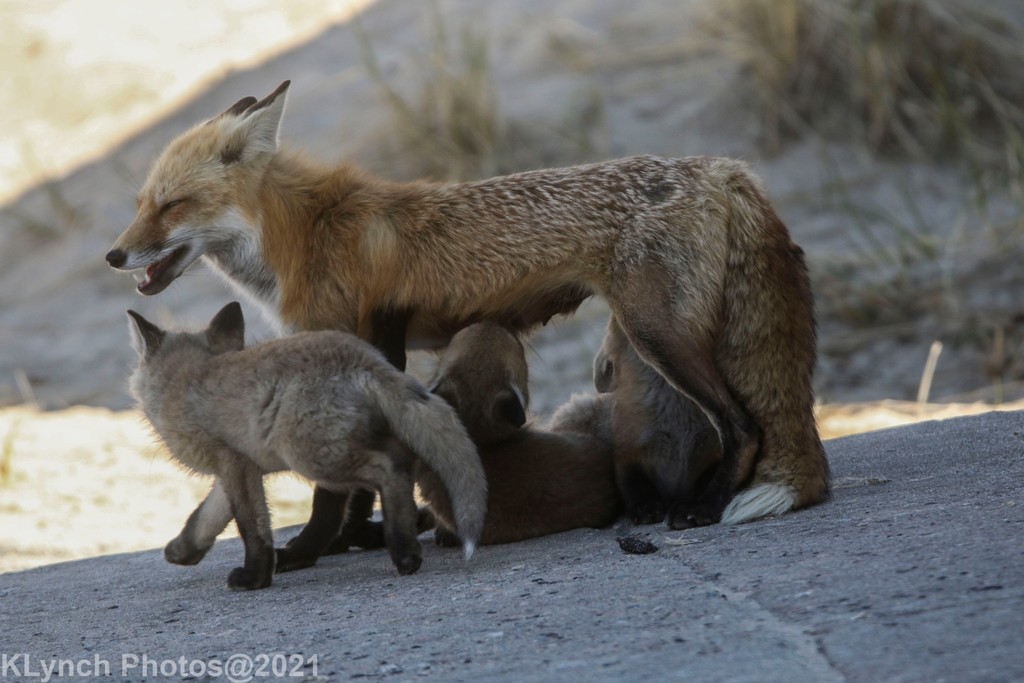
Red Fox
Vulpes vulpes
Mammalstrong against birds, fungi
Common
Pack
While active with another mammal in play, it hits 7 harder (14 with two others).
34

28
Red Fox
Vulpes vulpes
Mammalstrong against birds, fungi
Common
While active with another mammal in play, it hits 7 harder (14 with two others).
Vulpes vulpes
Photo: © Kevin Lynch (original photo) · CC BY 4.0 (licence text) · cropped
Strong against: it deals 20% more damage to them. Weak against: these types deal 20% more damage to it.
The red fox (Vulpes vulpes) is the largest of the true foxes, and the most widely distributed member of the order Carnivora. It is present across the entire Northern Hemisphere, including most of Europe, Asia, and North America, as well as parts of North Africa. Its range has expanded alongside human settlement, with the species having been introduced into Australia, where it preys on native small and medium-sized rodents and marsupials. The red fox is listed as of Least Concern on the IUCN Red List. Because of its impact on native species, it is included on the list of the "world's 100 worst invasive species".
The red fox originated in Eurasia during the Middle Pleistocene 400,000 years ago and later colonised North America sometime prior to 130,000 years ago. Apart from its large size, the red fox is distinguished from other species of foxes by its ability to adapt quickly to new environments. Despite its name, the species often produces individuals with other colours, including melanistic and leucistic ones. Forty-six subspecies are currently recognised, which can be divided into two categories: the large northern foxes and the small, basal southern grey desert foxes of North Africa and Asia.
Abridged excerpt from the Wikipedia article Red fox, by its authors, under the CC BY-SA 4.0 licence.
Least Concern on the IUCN Red List: that’s what makes this card Common.
Every Common card has 100 points, shared between HP, ATK and DEF:
How they’re shared out:

 DEF 28