 …
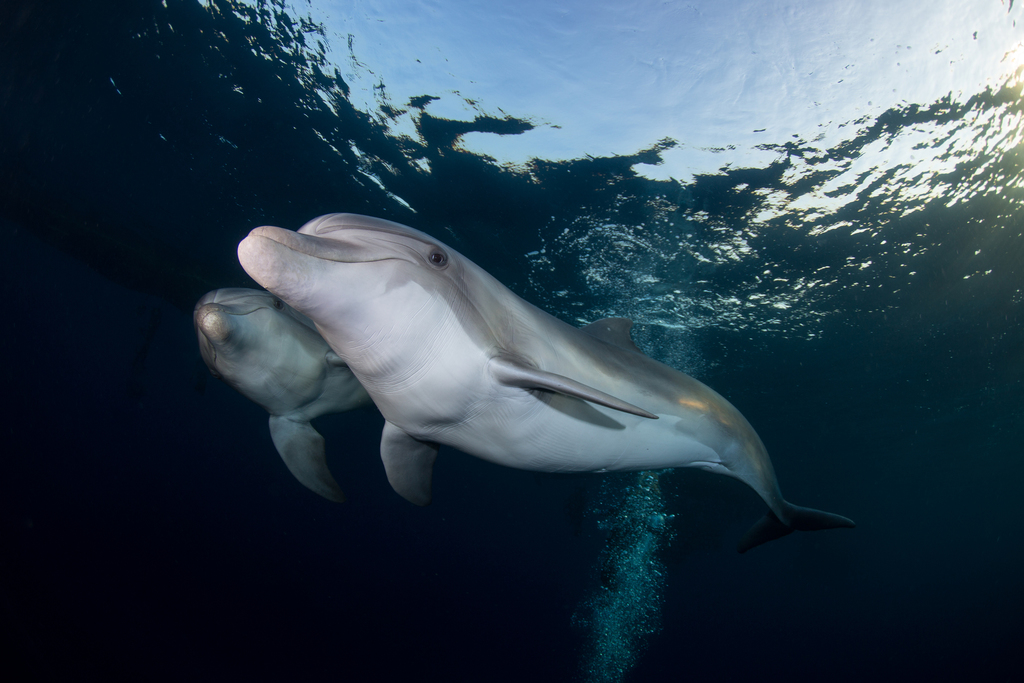
Indo-Pacific Bottlenose Dolphin
Tursiops aduncus
Mammalstrong against birds, fungi
Uncommon
Pack
While active with another mammal in play, it hits 7 harder (14 with two others).
33

31
Indo-Pacific Bottlenose Dolphin
Tursiops aduncus
Mammalstrong against birds, fungi
Uncommon
While active with another mammal in play, it hits 7 harder (14 with two others).
Tursiops aduncus
Photo: © טל שמע (original photo) · CC BY-SA 4.0 (licence text) · cropped
Strong against: it deals 20% more damage to them. Weak against: these types deal 20% more damage to it.
The Indo-Pacific bottlenose dolphin (Tursiops aduncus) is a species of bottlenose dolphin. This dolphin grows to 2.6 m (8.5 ft) long, and weighs up to 230 kg (510 lb). It lives in the waters around India, northern Australia, South China, the Red Sea, and the eastern coast of Africa. Its back is dark grey and its belly is lighter grey or nearly white with grey spots.
The Indo-Pacific bottlenose dolphin is generally smaller than the common bottlenose dolphin, has a proportionately longer rostrum, and has spots on its belly and lower sides. It also has more teeth than the common bottlenose dolphin — 23 to 29 teeth on each side of each jaw compared to 21 to 24 for the common bottlenose dolphin.
Much of the old scientific data in the field combine data about the Indo-Pacific bottlenose dolphin and the common bottlenose dolphin into a single group, making it effectively useless in determining the structural differences between the two species. The IUCN lists the Indo-Pacific bottlenose dolphin as "near threatened" in their Red List of endangered species.
Excerpt from the Wikipedia article Indo-Pacific bottlenose dolphin, by its authors, under the CC BY-SA 4.0 licence.
Near Threatened on the IUCN Red List: that’s what makes this card Uncommon.
Every Uncommon card has 115 points, shared between HP, ATK and DEF:
How they’re shared out:

 DEF 31