 …
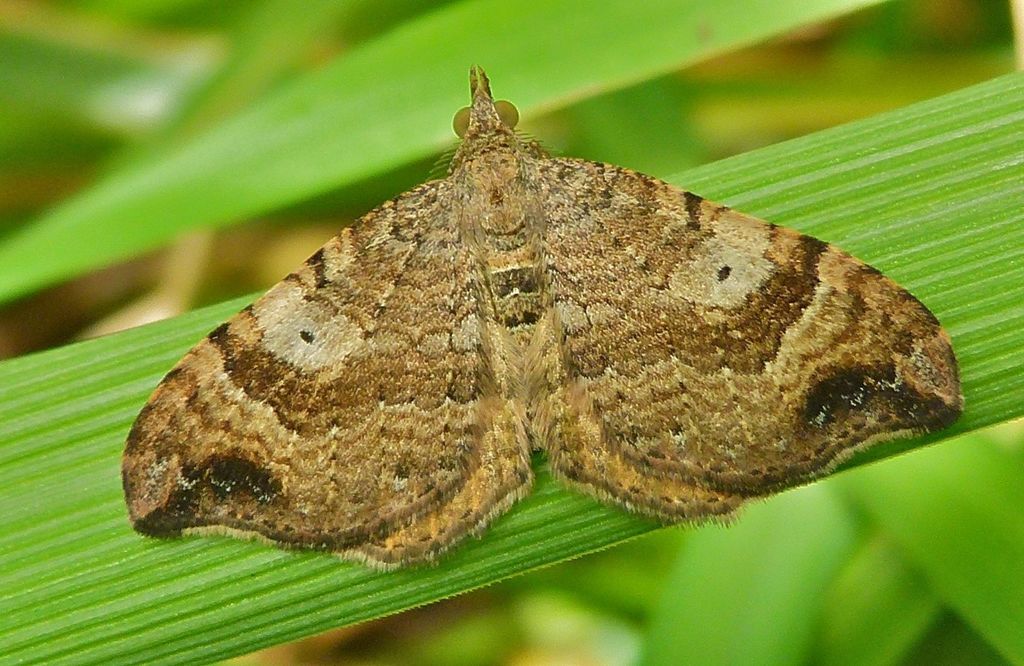
Small hooked-tip looper moth
Homodotis megaspilata
Insectstrong against fungi, fish
Common
Swarm
While active with another insect in play, each of its attacks also hits the opposing bench for 10, without knocking them out (20 with two others).
28

39
Small hooked-tip looper moth
Homodotis megaspilata
Insectstrong against fungi, fish
Common
While active with another insect in play, each of its attacks also hits the opposing bench for 10, without knocking them out (20 with two others).
Homodotis megaspilata
Photo: © Steve Kerr (original photo) · CC BY 4.0 (licence text) · cropped
Strong against: it deals 20% more damage to them. Weak against: these types deal 20% more damage to it.
Homodotis megaspilata, also known as the small hooked-tip looper moth, is a moth of the family Geometridae. It is endemic to New Zealand and can be found throughout the country. It is regarded as being common species. The preferred habitat of this species is native forest, scrub, coastal areas and domestic gardens. Larvae feed on the dead leaves of Geniostoma ligustrifolium and likely other native plants. Once mature the larvae will pupate on the ground forming a silken cocoon protected by hiding inside two leaves of its host plant. Adults are nocturnal and are on the wing from October to April. They are attracted to light. In appearance the adults of this species are extremely variable but can be distinguished from similar species as all variations have forewings with blunt hook shaped tips.
Excerpt from the Wikipedia article Homodotis megaspilata, by its authors, under the CC BY-SA 4.0 licence.
No global status on the IUCN Red List: that’s what makes this card Common.
Every Common card has 100 points, shared between HP, ATK and DEF:
How they’re shared out:

 DEF 39