 …
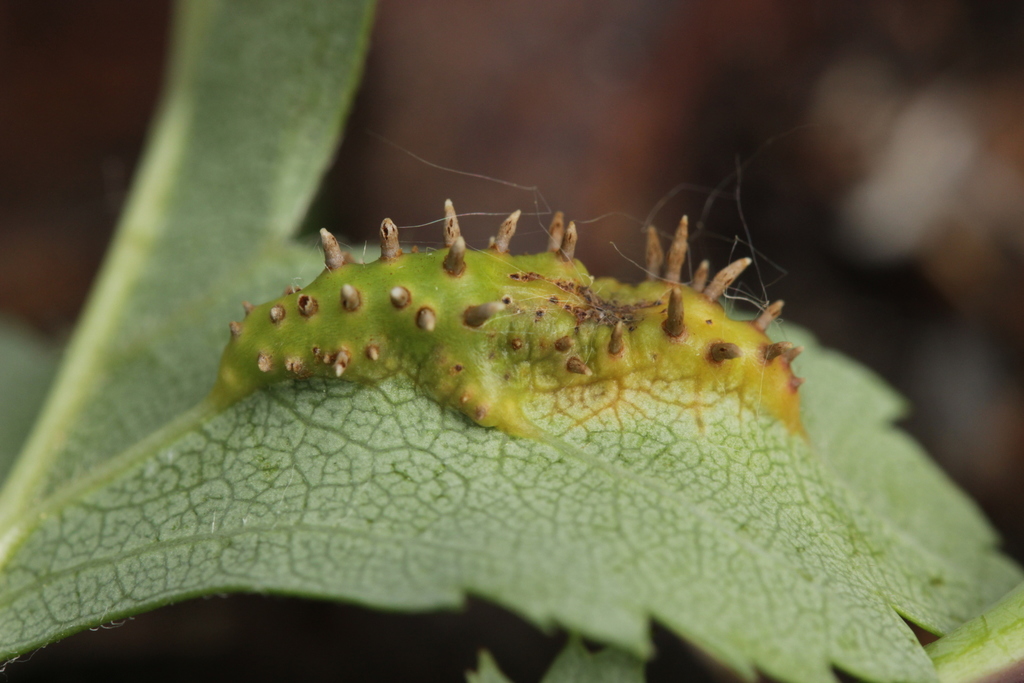
tongues of fire
Gymnosporangium clavariiforme
Fungusstrong against amphibians, reptiles
Common
Mycelium
While active with another fungus in play, it regains 5 HP at the start of your turn (8 with two others).
39

29
tongues of fire
Gymnosporangium clavariiforme
Fungusstrong against amphibians, reptiles
Common
While active with another fungus in play, it regains 5 HP at the start of your turn (8 with two others).
Gymnosporangium clavariiforme
Photo: © Björn Sothmann (original photo) · CC BY-SA 4.0 (licence text) · cropped
Strong against: it deals 20% more damage to them. Weak against: these types deal 20% more damage to it.
Gymnosporangium clavariiforme (tongues of fire) is a species of rust fungus which alternately infects Juniperus and hawthorns.
In junipers, the primary hosts, G. clavariiforme produces a set of orange tentacle-like spore tubes called telial horns. These horns expand and have a jelly like consistency when wet. The spores are released and travel on the wind until they infect a hawthorn tree.
On the secondary hosts, the fungus produces yellowish depressions on the leaves. It also infects the fruit, which grows whitish tubes like a Medusa head. These are the spore tubes. The spores must then infect a juniper to complete the life cycle.
The fungus does not cause serious damage to junipers, but hawthorns can suffer serious loss of haw production due to the effects of the fungus.
Excerpt from the Wikipedia article Gymnosporangium clavariiforme, by its authors, under the CC BY-SA 4.0 licence.
No global status on the IUCN Red List: that’s what makes this card Common.
Every Common card has 100 points, shared between HP, ATK and DEF:
How they’re shared out:

 DEF 29