 …
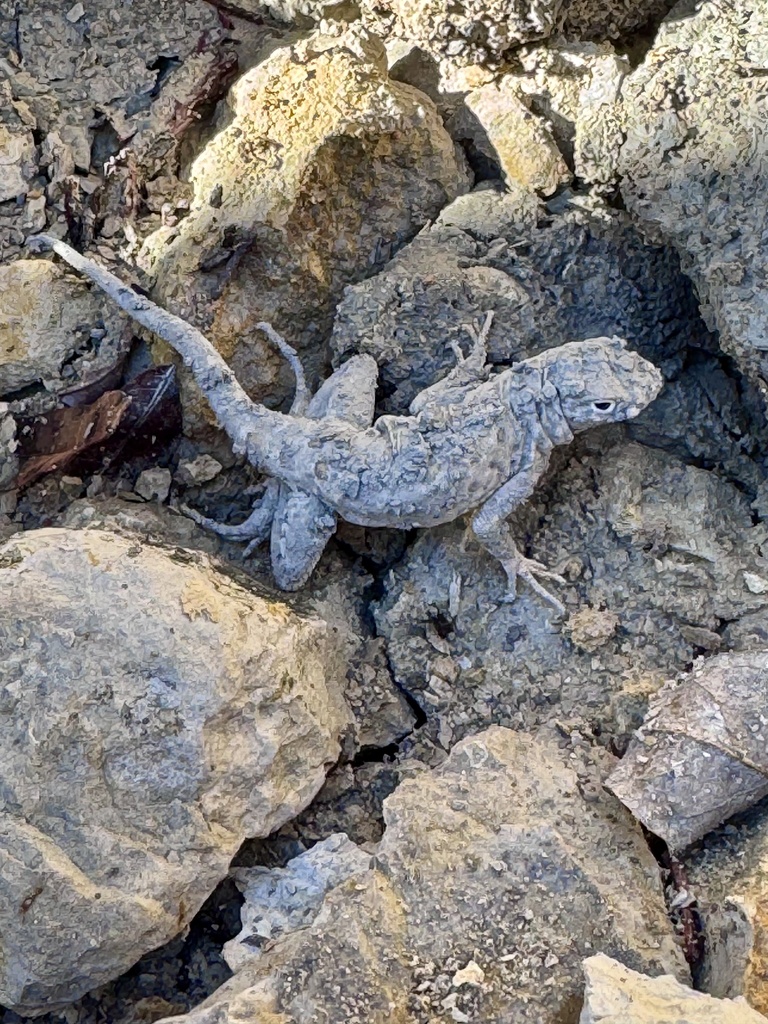
Greater Earless Lizard
Cophosaurus texanus
Reptilestrong against amphibians, mammals
Common
Scales
While active with another reptile in play, it takes 3 less damage (6 with two others).
35

37
Greater Earless Lizard
Cophosaurus texanus
Reptilestrong against amphibians, mammals
Common
While active with another reptile in play, it takes 3 less damage (6 with two others).
Cophosaurus texanus
Photo: © ramonsita625 (original photo) · CC BY 4.0 (licence text) · cropped
Strong against: it deals 20% more damage to them. Weak against: these types deal 20% more damage to it.
The greater earless lizard (Cophosaurus texanus) is the only species in the monotypic genus Cophosaurus. It is closely related to the smaller, lesser earless lizards and other species in the genus Holbrookia, and in fact was placed in that genus and referred to Holbrookia texana from 1852 into the 1970s. Earless lizards lack external ear openings, an adaptation to burrowing in the sand, as are the recessed lower jaw and flared upper labial scales. Greater earless lizards are sexually dimorphic, males grow larger and are more colorful than females, exhibiting pink and green colors that are particularly bright in the breeding season. Two bold black bars mark the lateral region of males but are greatly reduced and vague, or occasionally entirely absent in females.
Abridged excerpt from the Wikipedia article Greater earless lizard, by its authors, under the CC BY-SA 4.0 licence.
Least Concern on the IUCN Red List: that’s what makes this card Common.
Every Common card has 100 points, shared between HP, ATK and DEF:
How they’re shared out:

 DEF 37