 …
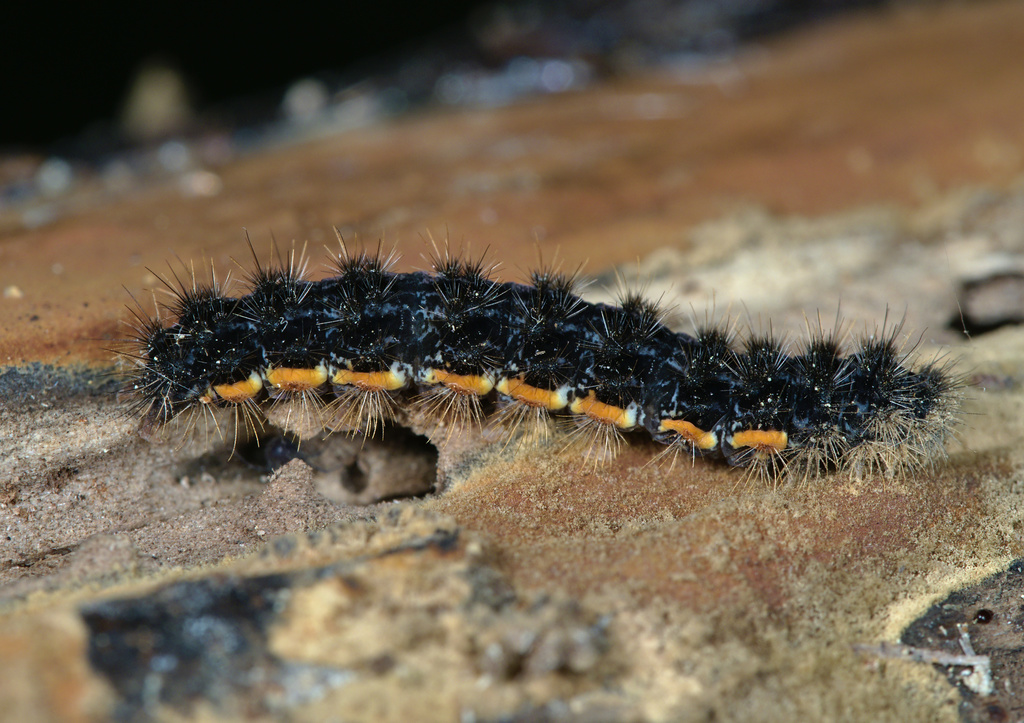
Common Footman
Eilema lurideola
Insectstrong against fungi, fish
Common
Swarm
While active with another insect in play, each of its attacks also hits the opposing bench for 10, without knocking them out (20 with two others).
40

39
Common Footman
Eilema lurideola
Insectstrong against fungi, fish
Common
While active with another insect in play, each of its attacks also hits the opposing bench for 10, without knocking them out (20 with two others).
Eilema lurideola
Photo: © Gilles San Martin (original photo) · CC BY-SA 4.0 (licence text) · cropped
Strong against: it deals 20% more damage to them. Weak against: these types deal 20% more damage to it.
The common footman (Manulea lurideola) is a moth of the family Erebidae. The species was first described by Johann Leopold Theodor Friedrich Zincken in 1817. It is distributed throughout Europe and east through the Palearctic to Lake Baikal.
This species has a wingspan of 31–38 mm. The forewings are grey with a yellowish-buff streak along the costa. The hindwings are a uniform cream colour. Like other footmen, it rests with its wings wrapped around its body. (The common name footman comes from a supposed resemblance to the uniform of a footman.)
Excerpt from the Wikipedia article Common footman, by its authors, under the CC BY-SA 4.0 licence.
No global status on the IUCN Red List: that’s what makes this card Common.
Every Common card has 100 points, shared between HP, ATK and DEF:
How they’re shared out:

 DEF 39