 …
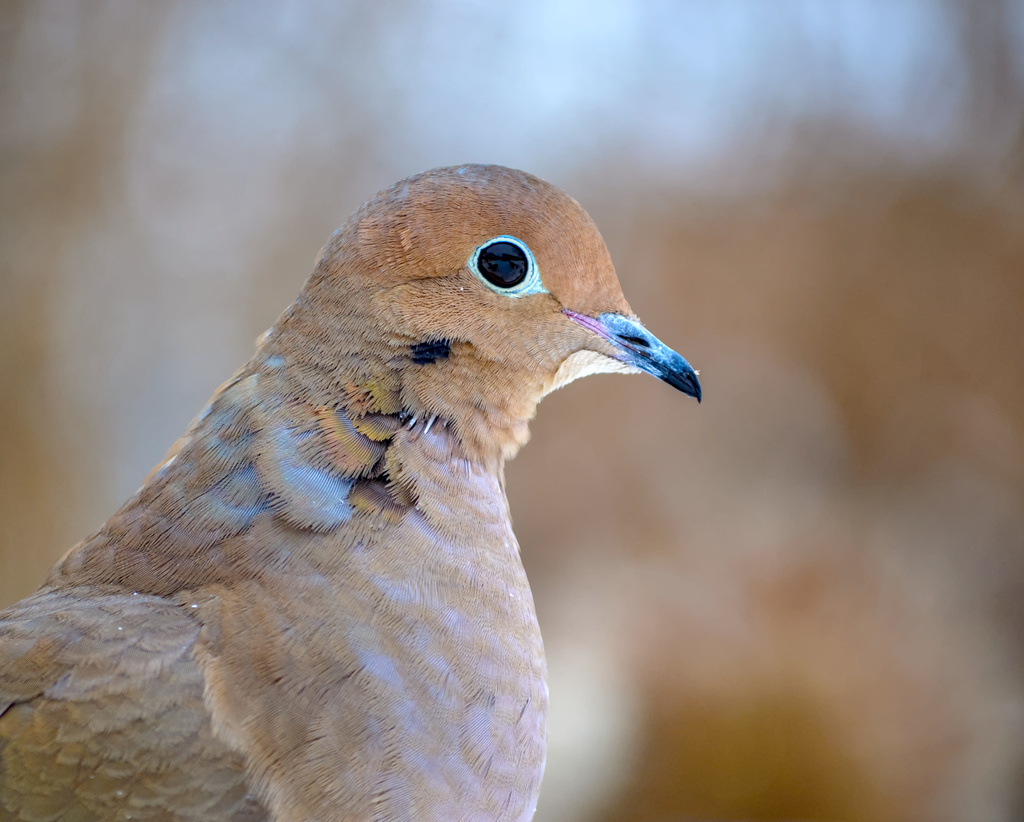
Mourning Dove
Zenaida macroura
Birdstrong against fish, reptiles
Common
Swoop
While active with another bird in play, it hits 6 harder on its first attack after entering play (12 with two others).
44

35
Mourning Dove
Zenaida macroura
Birdstrong against fish, reptiles
Common
While active with another bird in play, it hits 6 harder on its first attack after entering play (12 with two others).
Zenaida macroura
Photo: © Timothy Lindsey (original photo) · CC BY 4.0 (licence text) · cropped
Strong against: it deals 20% more damage to them. Weak against: these types deal 20% more damage to it.
The mourning dove (Zenaida macroura) is a member of the dove family, Columbidae. The bird is also known as the American mourning dove, the rain dove, and colloquially as the turtle dove, and it was once known as the Carolina pigeon and Carolina turtledove. It is one of the most abundant and widespread North American birds and a popular gamebird, with more than 20 million birds (up to 70 million in some years) shot annually in the U.S., both for sport and meat. Its ability to sustain its population under such pressure is due to its prolific breeding; in warm areas, one pair may raise up to six broods of two young each in a single year. The wings make an unusual whistling sound upon take-off and landing, a form of sonation. The bird is a strong flier, capable of speeds up to 88 km/h (55 mph).
Mourning doves are light gray and brown and generally muted in color. Males and females are similar in appearance. The species is generally monogamous, with two squabs (young) per brood. Both parents incubate and care for the young. Mourning doves eat almost exclusively seeds, but the young are fed crop milk by their parents.
Excerpt from the Wikipedia article Mourning dove, by its authors, under the CC BY-SA 4.0 licence.
Least Concern on the IUCN Red List: that’s what makes this card Common.
Every Common card has 100 points, shared between HP, ATK and DEF:
How they’re shared out:

 DEF 35