 …
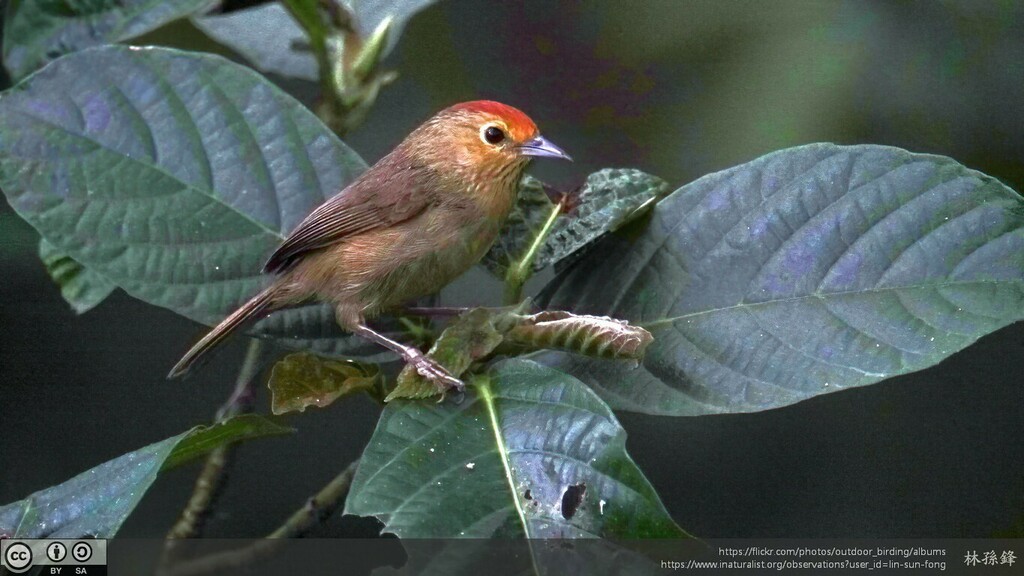
Rufous-capped Babbler
Cyanoderma ruficeps
Birdstrong against fish, reptiles
Common
Swoop
While active with another bird in play, it hits 6 harder on its first attack after entering play (12 with two others).
38

42
Rufous-capped Babbler
Cyanoderma ruficeps
Birdstrong against fish, reptiles
Common
While active with another bird in play, it hits 6 harder on its first attack after entering play (12 with two others).
Cyanoderma ruficeps
Photo: © 林孫鋒(Lin Sun Fong) (original photo) · CC BY-SA 4.0 (licence text) · cropped
Strong against: it deals 20% more damage to them. Weak against: these types deal 20% more damage to it.
The rufous-capped babbler (Cyanoderma ruficeps) is a babbler species in the family Timaliidae. It occurs from the Eastern Himalayas to northern Thailand, Laos, eastern China to Vietnam and Taiwan. It inhabits temperate forest with dense bushes or bamboo and is listed as Least Concern on the IUCN Red List.
It is pale olive with a bright rufous crown and nape, measures 12 cm (4.7 in) long and weighs 7–12 g (0.25–0.42 oz).
Stachyris ruficeps was the scientific name proposed by Edward Blyth in 1847 for an olive-coloured babbler with a ferruginous crown and a white throat collected in Darjeeling.
It was later placed in the genus Stachyridopsis.
Excerpt from the Wikipedia article Rufous-capped babbler, by its authors, under the CC BY-SA 4.0 licence.
Least Concern on the IUCN Red List: that’s what makes this card Common.
Every Common card has 100 points, shared between HP, ATK and DEF:
How they’re shared out:

 DEF 42