 …
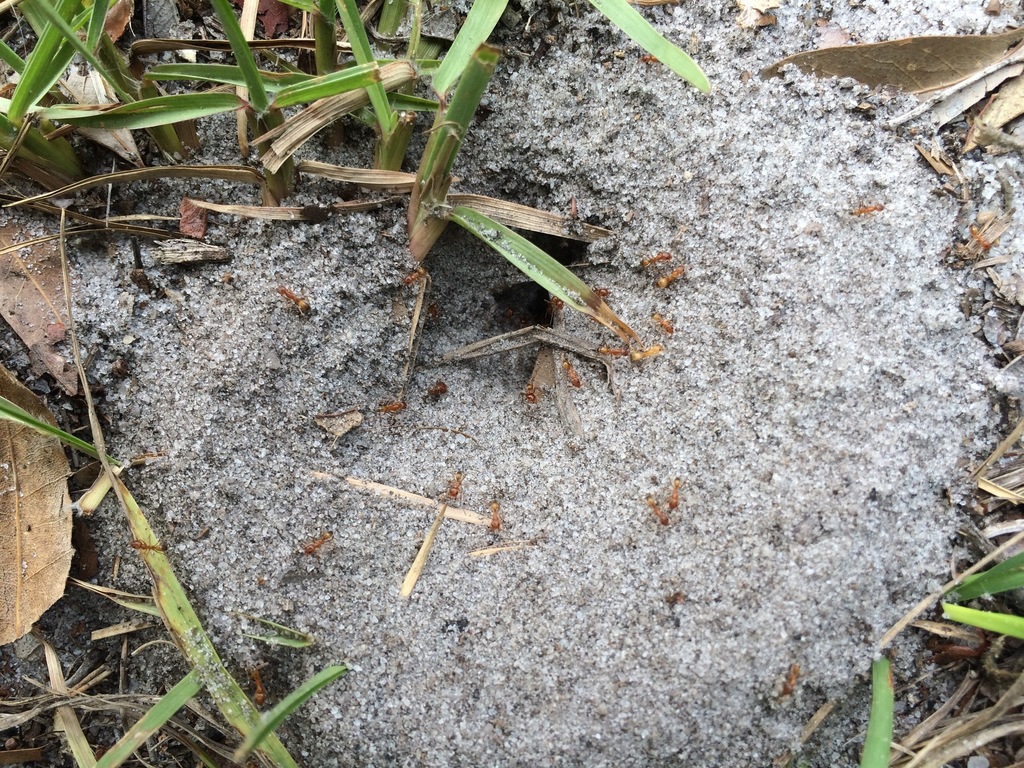
Buren's Pyramid Ant
Dorymyrmex bureni
Insectstrong against fungi, fish
Common
Swarm
While active with another insect in play, each of its attacks also hits the opposing bench for 10, without knocking them out (20 with two others).
30

39
Buren's Pyramid Ant
Dorymyrmex bureni
Insectstrong against fungi, fish
Common
While active with another insect in play, each of its attacks also hits the opposing bench for 10, without knocking them out (20 with two others).
Dorymyrmex bureni
Photo: © Cozzycovers (original photo) · CC BY-SA 4.0 (licence text) · cropped
Strong against: it deals 20% more damage to them. Weak against: these types deal 20% more damage to it.
Dorymyrmex bureni, also known as Buren's pyramid ant, is a species of ant in the genus Dorymyrmex. Described by Trager in 1988, the species is endemic to the United States. Pyramid ants are medium-sized ants, ranging from 2–4 mm. They are light orange in color and fast moving. Unlike other ant species in the area like the red imported fire ant (Solenopsis invicta), this species is relatively harmless to humans and unable to sting. The workers have a foul smelling coconut odor when crushed. Dorymyrmex bureni hunt living insects, even other winged ants. They also search for sap-sucking insects from which they collect honeydew. On the head of these ants are curved hairs, used for transporting beads of damp sand. Colonies are small. Nests usually have a single entrance with a mound of sand shaped like a crater. Dorymyrmex bureni prefer sandy soil. This species of ant is not an indoor pest, and the use of pesticides to control them is not necessary. They are found throughout the southeastern United States.
Excerpt from the Wikipedia article Dorymyrmex bureni, by its authors, under the CC BY-SA 4.0 licence.
No global status on the IUCN Red List: that’s what makes this card Common.
Every Common card has 100 points, shared between HP, ATK and DEF:
How they’re shared out:

 DEF 39