 …
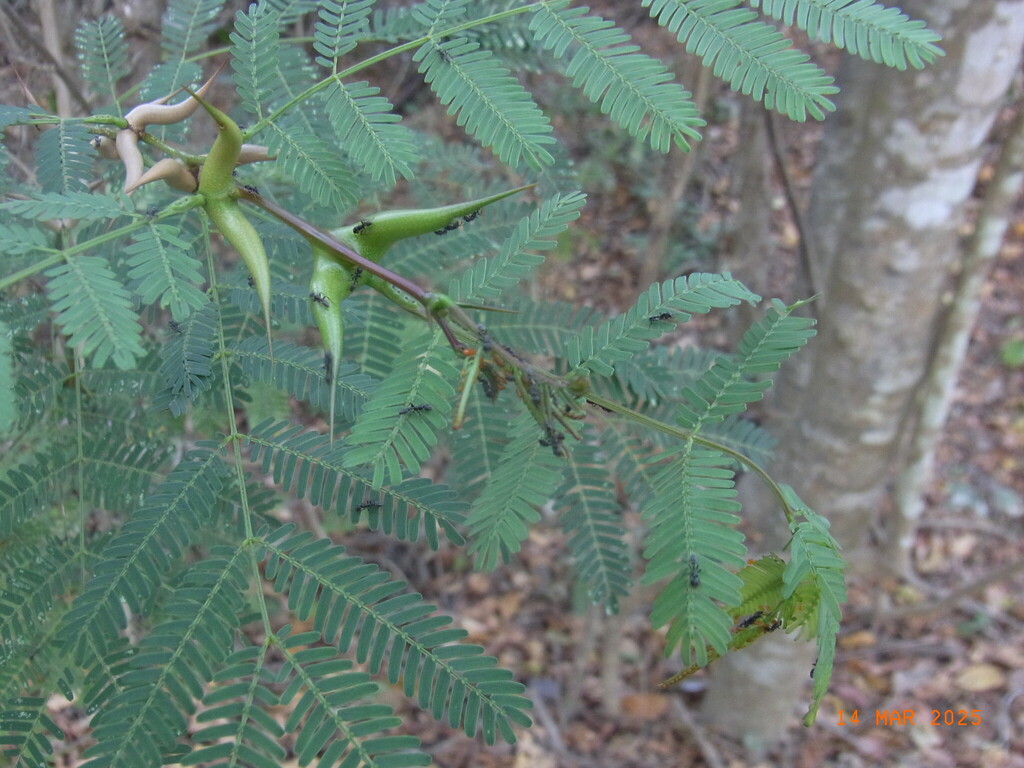
Graceful Twig Ant
Pseudomyrmex gracilis
Insectstrong against fungi, fish
Common
Swarm
While active with another insect in play, each of its attacks also hits the opposing bench for 10, without knocking them out (20 with two others).
30

39
Graceful Twig Ant
Pseudomyrmex gracilis
Insectstrong against fungi, fish
Common
While active with another insect in play, each of its attacks also hits the opposing bench for 10, without knocking them out (20 with two others).
Pseudomyrmex gracilis
Photo: © Carlos Domínguez-Rodríguez (original photo) · CC BY 4.0 (licence text) · cropped
Strong against: it deals 20% more damage to them. Weak against: these types deal 20% more damage to it.
Pseudomyrmex gracilis, also known as the graceful twig ant, Mexican twig ant, slender twig ant, or elongated twig ant, is a large, slender species of ant native to Mexico and arid parts of the US. The workers are about 8–10 millimeters (0.31–0.39 in) in length and generally wasp-like in appearance and style of movement. Worker ants are bi-colored; the head and gaster are dark, while the antennae, mouthparts, thorax and legs are dull orange with dark shading. They often may be seen on vegetation, foraging for live insects or collecting honeydew from sap-sucking insects.
If the colony ever finds themselves without a queen, the worker ants form dominance hierarchies by boxing with their antennae. This leads to a couple high ranking individuals which can lay eggs until a new queen returns.
Excerpt from the Wikipedia article Pseudomyrmex gracilis, by its authors, under the CC BY-SA 4.0 licence.
No global status on the IUCN Red List: that’s what makes this card Common.
Every Common card has 100 points, shared between HP, ATK and DEF:
How they’re shared out:

 DEF 39