 …
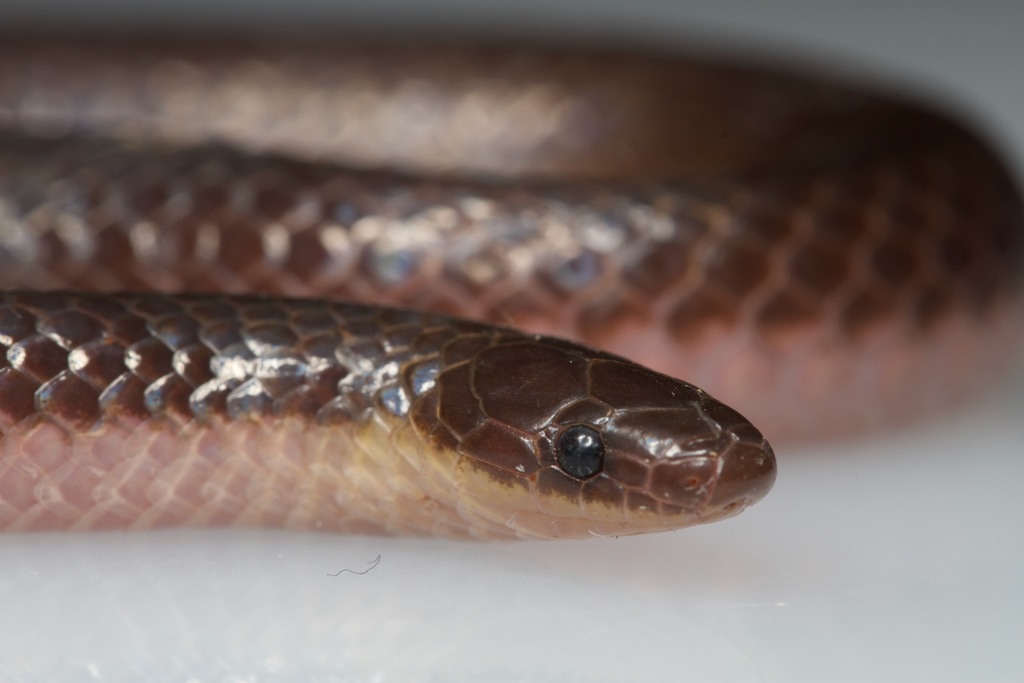
Common Wormsnake
Carphophis amoenus
Reptilestrong against amphibians, mammals
Common
Scales
While active with another reptile in play, it takes 3 less damage (6 with two others).
33

39
Common Wormsnake
Carphophis amoenus
Reptilestrong against amphibians, mammals
Common
While active with another reptile in play, it takes 3 less damage (6 with two others).
Carphophis amoenus
Photo: © Brian Gratwicke (original photo) · CC BY 4.0 (licence text) · cropped
Strong against: it deals 20% more damage to them. Weak against: these types deal 20% more damage to it.
Carphophis amoenus, commonly known as the worm snake, is a species of nonvenomous colubrid snake endemic to the eastern United States. C. amoenus can be found east of the Mississippi, from southwest Massachusetts south to southern Alabama west to Louisiana and then north to Illinois. This species of snake protects a large range, and normally prefers a moist habitat in the rocky woodlands, under rotten wood of logs and stumps. Though this snake is quite abundant over its range, it is rarely seen because of its dormant lifestyle and where it usually resides. This snake is most common on the edges or in the ecotonal areas of open to thick woodlands, and the borders of wetlands. It may also be found in the grasslands next to woodlands. The best chance to spot it is after heavy rains, when its small size and distinct color make it easy to spot. This species prefers moist soil inhabited by earthworms, which are its main prey, so the soil needs to be sufficiently moist. The snake's skin naturally evaporates water; so the soil needs to be moist enough to offset this. C. amoenus is mostly found under rocks and in sufficient leaf litter during the extreme daytime heat. Peak activity falls between 15:00 to 18:00.
Excerpt from the Wikipedia article Carphophis amoenus, by its authors, under the CC BY-SA 4.0 licence.
Least Concern on the IUCN Red List: that’s what makes this card Common.
Every Common card has 100 points, shared between HP, ATK and DEF:
How they’re shared out:

 DEF 39