 …
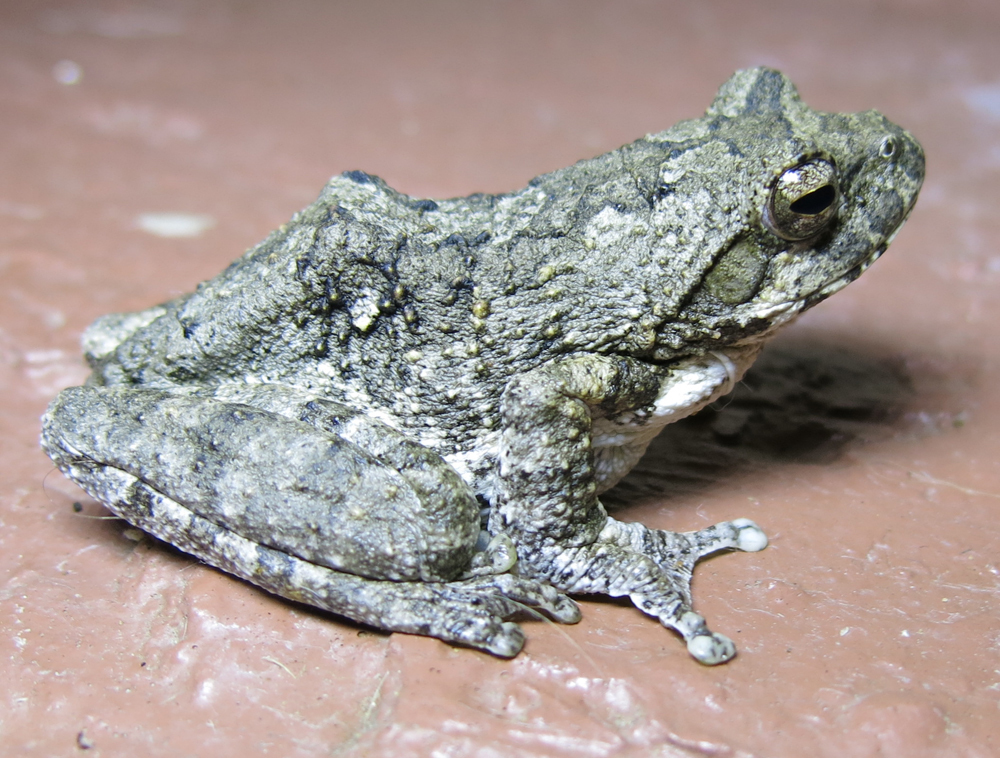
Grey Foam-nest Tree Frog
Chiromantis xerampelina
Amphibianstrong against insects, arachnids
Common
Toxic skin
While active with another amphibian in play, any card that hits it loses 6 HP, without being knocked out (12 with two others).
35

38
Grey Foam-nest Tree Frog
Chiromantis xerampelina
Amphibianstrong against insects, arachnids
Common
While active with another amphibian in play, any card that hits it loses 6 HP, without being knocked out (12 with two others).
Chiromantis xerampelina
Photo: © Ryan van Huyssteen (original photo) · CC BY 4.0 (licence text) · cropped
Strong against: it deals 20% more damage to them. Weak against: these types deal 20% more damage to it.
The grey foam-nest tree frog (Chiromantis xerampelina), or southern foam-nest tree frog, is a species of frog in the family Rhacophoridae. They are found in southern Africa.
Its natural habitats are subtropical or tropical dry forest, dry savanna, moist savanna, subtropical or tropical dry shrubland, subtropical or tropical seasonally wet or flooded lowland grassland, intermittent freshwater marshes, arable land, pastureland, rural gardens, urban areas, heavily degraded former forests, ponds, and canals and ditches.
Grey foam-nest tree frogs are known for simultaneous polyandry, where female frogs have multiple mates on separate territories that guard the eggs and care for young. This behavior is owed to their external fertilization mechanism. During the mating process, the female frog produces a foam nest, typically on branches that hang above bodies of water, in order to keep her eggs moist as they develop. This practice is what gives the grey foam-nest tree frogs their name.
Excerpt from the Wikipedia article Grey foam-nest tree frog, by its authors, under the CC BY-SA 4.0 licence.
Least Concern on the IUCN Red List: that’s what makes this card Common.
Every Common card has 100 points, shared between HP, ATK and DEF:
How they’re shared out:

 DEF 38