 …
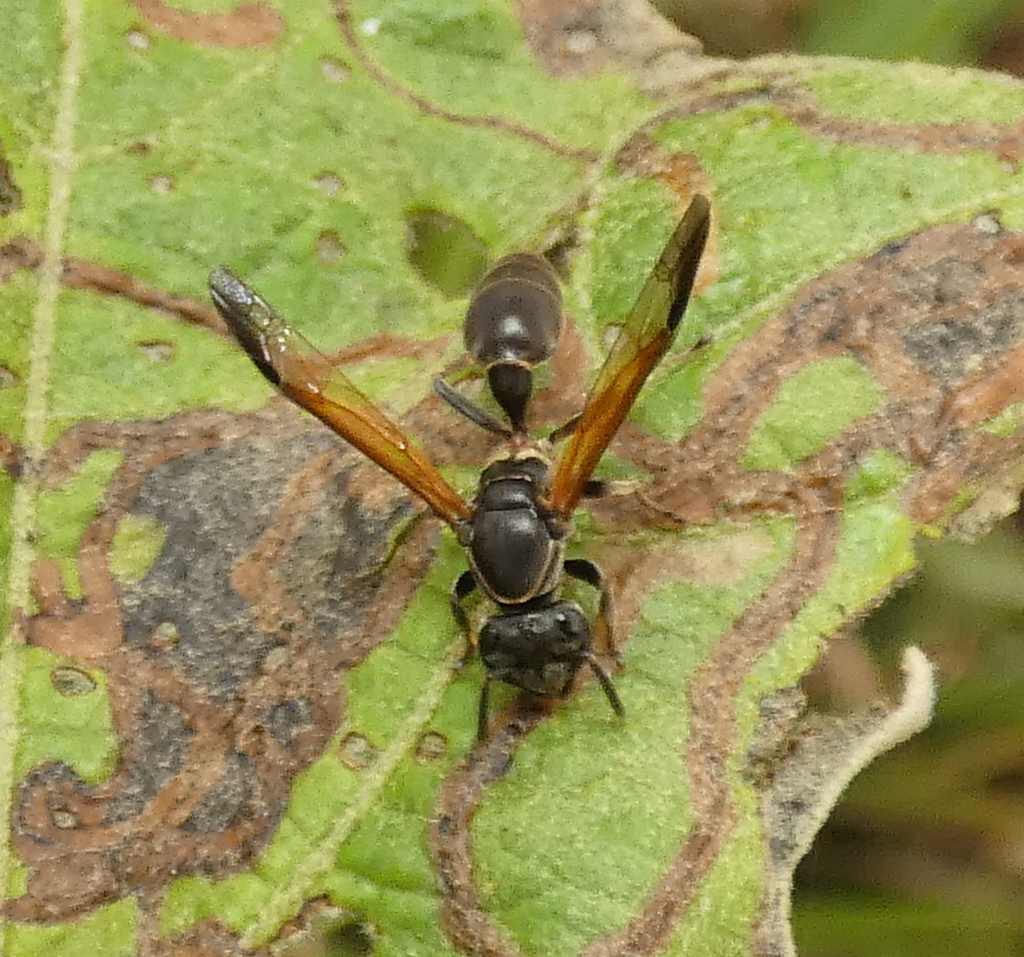
Ferocious polybia wasp
Polybia rejecta
Insectstrong against fungi, fish
Common
Swarm
While active with another insect in play, each of its attacks also hits the opposing bench for 10, without knocking them out (20 with two others).
29

40
Ferocious polybia wasp
Polybia rejecta
Insectstrong against fungi, fish
Common
While active with another insect in play, each of its attacks also hits the opposing bench for 10, without knocking them out (20 with two others).
Polybia rejecta
Photo: © Helio Lourencini (original photo) · CC BY 4.0 (licence text) · cropped
Strong against: it deals 20% more damage to them. Weak against: these types deal 20% more damage to it.
Polybia rejecta is a species of social wasp found in the Neotropics region of the world. It was first described by Fabricius in South America in the 1790s. The wasp is associated with many other organisms, particularly specific species of ants and birds such as the Azteca ants and the cacique birds. This association is most beneficial to the ants and birds because of the aggressive protective nature of the wasp. The wasps will protect their nest even if it means death against any predator that approaches it and therefore this means that the association also protects the ants and birds. Additionally, the wasp is known for eating the eggs of red-eyed tree frogs as a main way of subsistence. It also, like many other wasp species, has a caste system of queens and workers that is evident by difference in body size among the wasps; the biggest female becomes the queen.
Excerpt from the Wikipedia article Polybia rejecta, by its authors, under the CC BY-SA 4.0 licence.
No global status on the IUCN Red List: that’s what makes this card Common.
Every Common card has 100 points, shared between HP, ATK and DEF:
How they’re shared out:

 DEF 40