 …
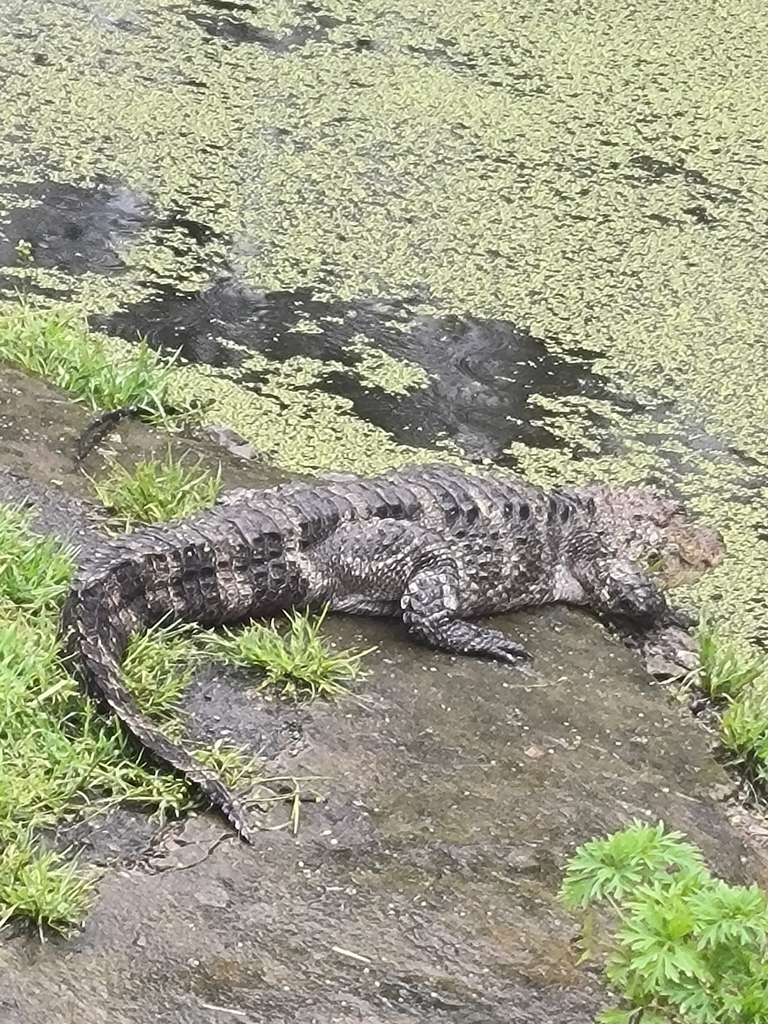
Chinese Alligator
Alligator sinensis
Reptilestrong against amphibians, mammals
Mythic
Leader · Scales
Counts as two reptiles: while active, it takes 3 less damage (6 with another reptile in play).
48

51
Chinese Alligator
Alligator sinensis
Reptilestrong against amphibians, mammals
Mythic
Counts as two reptiles: while active, it takes 3 less damage (6 with another reptile in play).
Alligator sinensis
Photo: iNaturalist (original photo) · CC0 (licence text) · cropped
Strong against: it deals 20% more damage to them. Weak against: these types deal 20% more damage to it.
The Chinese alligator (Alligator sinensis; simplified Chinese: 鼍; traditional Chinese: 鼉; pinyin: tuó), also known as the Yangtze alligator (simplified Chinese: 扬子鳄; traditional Chinese: 揚子鱷; pinyin: yángzǐ'è), China alligator, or historically the muddy dragon, is a crocodilian endemic to China. It and the American alligator (A. mississippiensis) are the only living species in the genus Alligator of the family Alligatoridae. Dark gray or black in color with a fully armored body, the Chinese alligator grows to 1.5–2.1 metres (5–7 ft) in length and weighs 36–45 kilograms (80–100 lb) as an adult. It brumates in burrows in winter and is nocturnal in summer. Mating occurs in early summer, with females most commonly producing 20–30 eggs, which are smaller than those of any other crocodilian. The species is an opportunistic feeder, primarily eating fish and invertebrates. A vocal species, adults bellow during the mating season and young vocalize to communicate with their parents and other juveniles. Captive specimens have reached age 70, and wild specimens can live past 50.
Abridged excerpt from the Wikipedia article Chinese alligator, by its authors, under the CC BY-SA 4.0 licence.
Critically Endangered on the IUCN Red List: that’s what makes this card Mythic.
Every Mythic card has 160 points, shared between HP, ATK and DEF:
How they’re shared out:

 DEF 51