 …
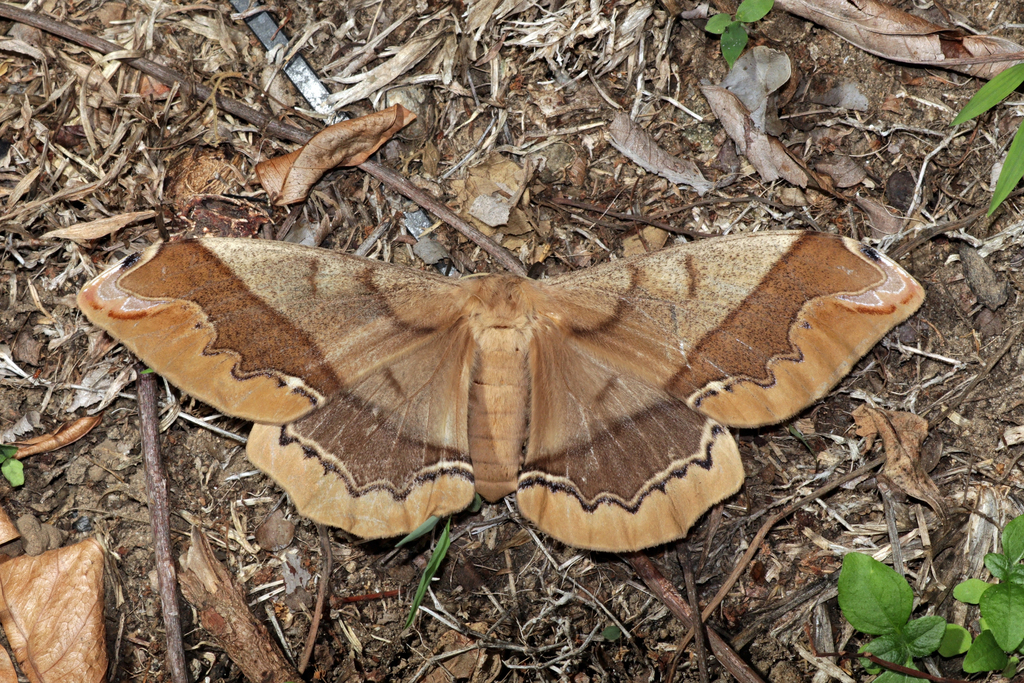
giant silk moth
Arsenura armida
Insectstrong against fungi, fish
Common
Swarm
While active with another insect in play, each of its attacks also hits the opposing bench for 10, without knocking them out (20 with two others).
29

37
giant silk moth
Arsenura armida
Insectstrong against fungi, fish
Common
While active with another insect in play, each of its attacks also hits the opposing bench for 10, without knocking them out (20 with two others).
Arsenura armida
Photo: © Charles J. Sharp (original photo) · CC BY-SA 4.0 (licence text) · cropped
Strong against: it deals 20% more damage to them. Weak against: these types deal 20% more damage to it.
Arsenura armida, the giant silk moth, is a moth of the family Saturniidae. It is found mainly in South and Central America, from Mexico to Bolivia, and Ecuador to south-eastern Brazil. It was first described by Pieter Cramer in 1779.
It is the only known Neotropical arsenurinae to exhibit a combination of strong aposematism, gregariousness, and trail-following behavior in its larval stage. The larvae are brightly colored, with bright black and yellow bands, which signal their unpleasant taste to birds. The larvae are also fatally poisonous to some species of birds. During the day, the larvae rest in large conspicuous masses on the trunks of trees, and descend at night to feed. When returning at dawn, they follow a silk-less pheromone trail to their original central place location. This social behavior is remarkable for the larvae; other members of the genus live more solitary lives.
The larvae feed on Guazuma ulmifolia, Rollinia membranacea and Bombacopsis quinatum.
After the larva's fourth instar, it will descend from the larval mass, excavate a small chamber in the soil and pupate. Then, shortly after the rainy season in June, the pupa will eclose (emerge). The adult form of the species are large brown moths which possess a wingspan of 100–120 mm. The adults will mate the same night they emerge, and afterwards the females will lay their eggs in large batches on the underside tree leaves.
Abridged excerpt from the Wikipedia article Arsenura armida, by its authors, under the CC BY-SA 4.0 licence.
No global status on the IUCN Red List: that’s what makes this card Common.
Every Common card has 100 points, shared between HP, ATK and DEF:
How they’re shared out:

 DEF 37