 …
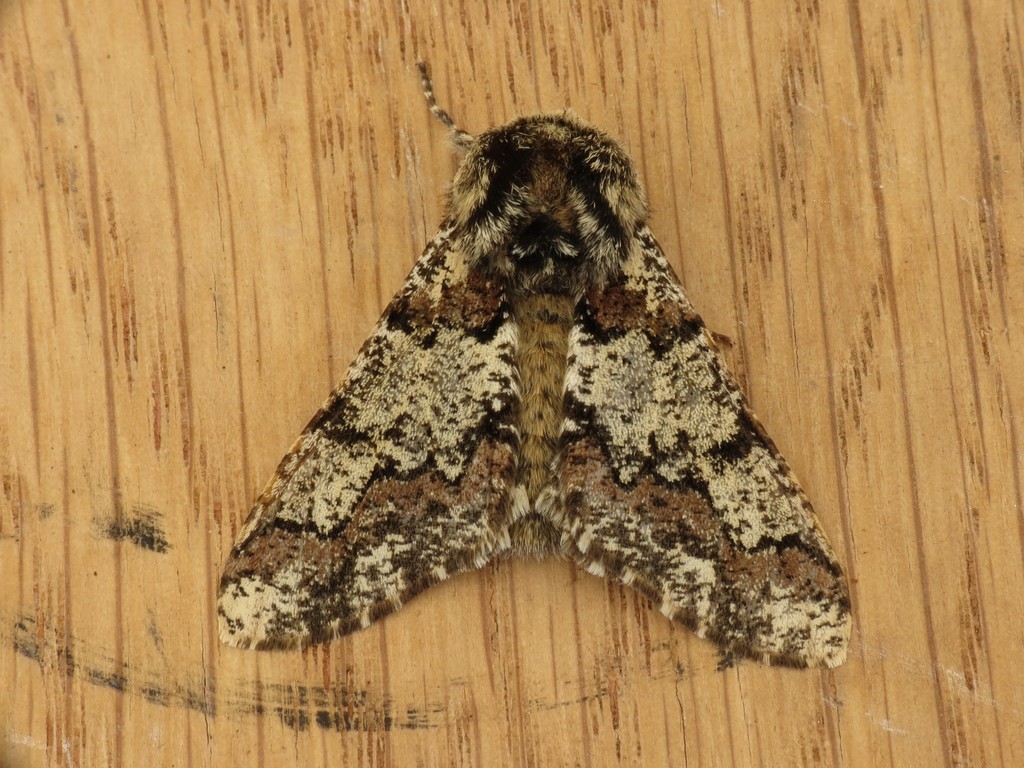
European Oak Beauty
Biston strataria
Insectstrong against fungi, fish
Common
Swarm
While active with another insect in play, each of its attacks also hits the opposing bench for 10, without knocking them out (20 with two others).
41

38
European Oak Beauty
Biston strataria
Insectstrong against fungi, fish
Common
While active with another insect in play, each of its attacks also hits the opposing bench for 10, without knocking them out (20 with two others).
Biston strataria
Photo: © Donald Hobern (original photo) · CC BY 4.0 (licence text) · cropped
Strong against: it deals 20% more damage to them. Weak against: these types deal 20% more damage to it.
Biston strataria, the oak beauty, is a moth of the family Geometridae. It is native to Europe, the Balkan countries and the Black Sea region as far as Asia Minor and the Caucasus. The species was first described by Johann Siegfried Hufnagel in 1767. B. strataria is found in a variety of habitats, but is mostly found in woodlands where it rests on the bark of trees, camouflaged by its mottled black and grey wings. The male has feather-like antennae while those of the female are more thread-like. The moth has a wingspan of 40 to 56 mm (1.6 to 2.2 in).
The larvae are mainly brown with three lumps near the end of the abdomen. They have evolved to resemble sticks which helps protect them from predators. The larvae feed on many species of trees, but the most commonly used host plants are oaks.
Excerpt from the Wikipedia article Biston strataria, by its authors, under the CC BY-SA 4.0 licence.
No global status on the IUCN Red List: that’s what makes this card Common.
Every Common card has 100 points, shared between HP, ATK and DEF:
How they’re shared out:

 DEF 38