 …
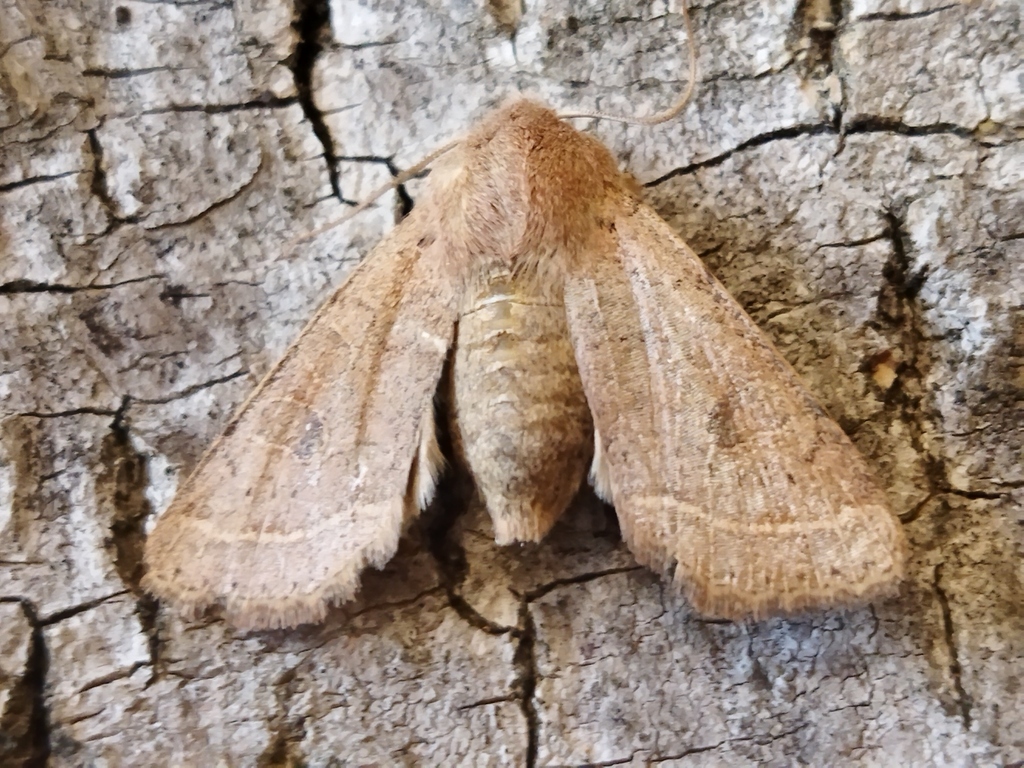
Common Quaker
Orthosia cerasi
Insectstrong against fungi, fish
Common
Swarm
While active with another insect in play, each of its attacks also hits the opposing bench for 10, without knocking them out (20 with two others).
41

37
Common Quaker
Orthosia cerasi
Insectstrong against fungi, fish
Common
While active with another insect in play, each of its attacks also hits the opposing bench for 10, without knocking them out (20 with two others).
Orthosia cerasi
Photo: © SteveM4560 (original photo) · CC BY 4.0 (licence text) · cropped
Strong against: it deals 20% more damage to them. Weak against: these types deal 20% more damage to it.
The common Quaker (Orthosia cerasi) is a moth of the family Noctuidae first described by Johan Christian Fabricius in 1775. Some authors prefer the synonym Orthosia stabilis (Denis & Schiffermüller, 1775). It is distributed throughout Europe and is also found in Turkey, Palestine (region), Transcaucasia, Russia and eastern Siberia.
This is a variable species, the ground colour of the forewings ranging from greyish to orangey brown, sometimes with a broad dark band. The most distinctive features are two large stigmata, each edged by a narrow pale line, with a similarly coloured subterminal line. The hindwings are drab grey or brown.
Excerpt from the Wikipedia article Common Quaker, by its authors, under the CC BY-SA 4.0 licence.
No global status on the IUCN Red List: that’s what makes this card Common.
Every Common card has 100 points, shared between HP, ATK and DEF:
How they’re shared out:

 DEF 37