 …
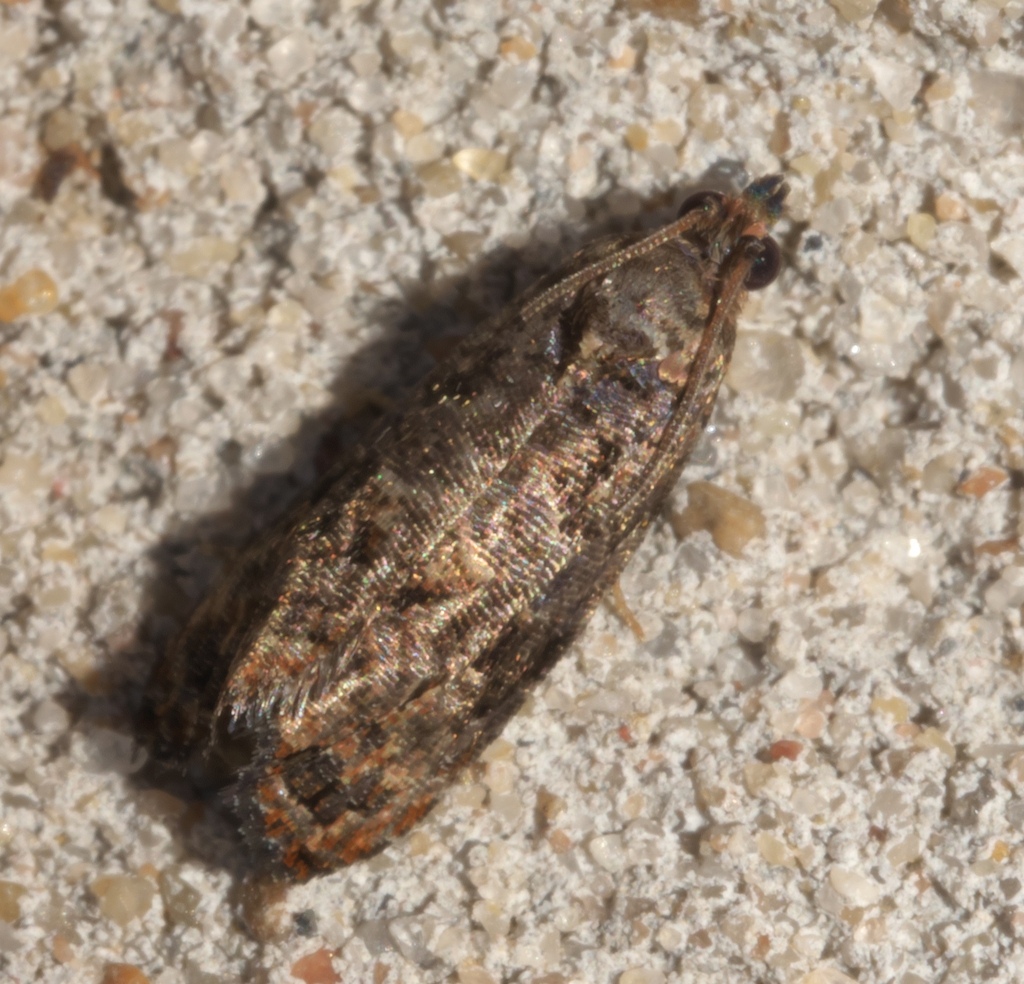
Verbena Bud Moth
Endothenia hebesana
Insectstrong against fungi, fish
Common
Swarm
While active with another insect in play, each of its attacks also hits the opposing bench for 10, without knocking them out (20 with two others).
38

39
Verbena Bud Moth
Endothenia hebesana
Insectstrong against fungi, fish
Common
While active with another insect in play, each of its attacks also hits the opposing bench for 10, without knocking them out (20 with two others).
Endothenia hebesana
Photo: © Robert Webster (original photo) · CC BY-SA 4.0 (licence text) · cropped
Strong against: it deals 20% more damage to them. Weak against: these types deal 20% more damage to it.
Endothenia hebesana, the verbena bud moth, is a species of moth of the family Tortricidae. It is found in North America, where it has been recorded from Massachusetts, New York, New Jersey, Pennsylvania, Maryland, Virginia, North Carolina, Florida, Texas, Ohio, Indiana, Missouri, California, British Columbia, Alberta, Manitoba and Ontario. The habitat consists of black spruce-sphagnum bogs.
The length of the forewings is 5-8.2 mm for both sexes. The forewings vary from dusky brown to clay. Adults are on wing from late April to mid-June in one or multiple generations per year depending on the latitude.
The larvae feed on the seeds of Antirrhinum, Gentiana, Gerardia, Iris, Orthocarpus, Penstemon, Physostegia, Solidago, Stachys, Teucrium, Tigridia, Verbascum, Verbena, Veronica, Sarracenia, Scrophularia and Scutellaria species. There are five larval instars. Instars four and five overwinter in the flower stalks of the host plant. Pupation takes place in late May.
Excerpt from the Wikipedia article Endothenia hebesana, by its authors, under the CC BY-SA 4.0 licence.
No global status on the IUCN Red List: that’s what makes this card Common.
Every Common card has 100 points, shared between HP, ATK and DEF:
How they’re shared out:

 DEF 39