 …
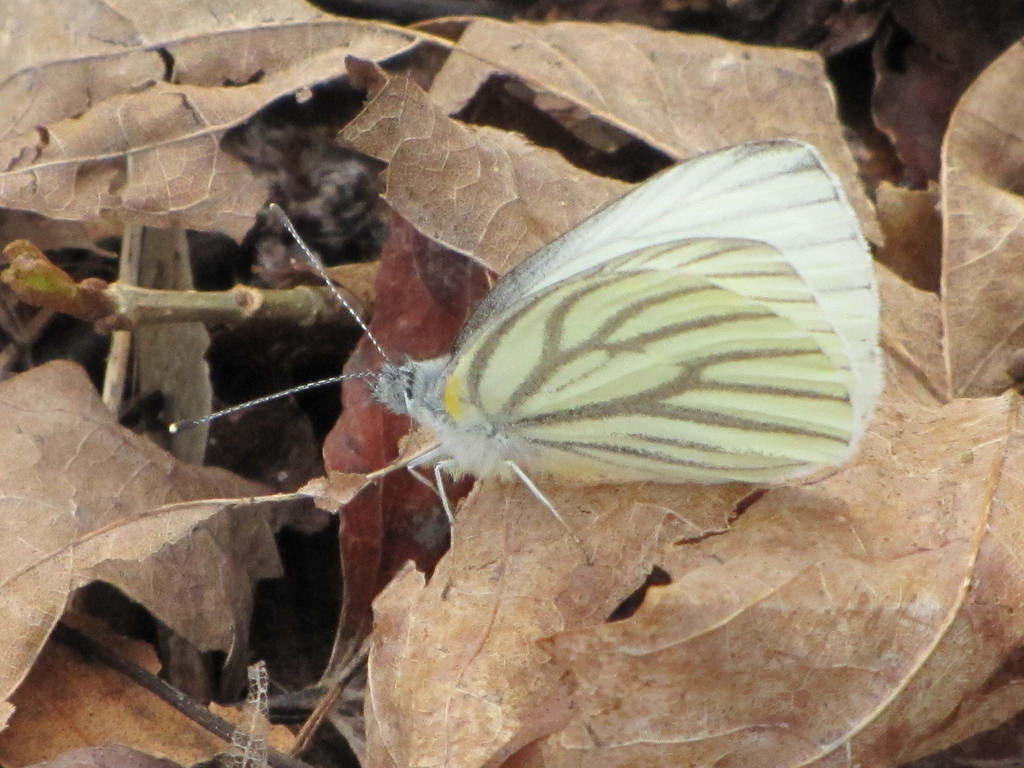
Mustard White
Pieris oleracea
Insectstrong against fungi, fish
Common
Swarm
While active with another insect in play, each of its attacks also hits the opposing bench for 10, without knocking them out (20 with two others).
40

40
Mustard White
Pieris oleracea
Insectstrong against fungi, fish
Common
While active with another insect in play, each of its attacks also hits the opposing bench for 10, without knocking them out (20 with two others).
Pieris oleracea
Photo: © Steven Joyner (original photo) · CC BY 4.0 (licence text) · cropped
Strong against: it deals 20% more damage to them. Weak against: these types deal 20% more damage to it.
Pieris oleracea, or more commonly known as the mustard white, is a butterfly in the family Pieridae native to a large part of Canada and the northeastern United States. The nearly all-white butterfly is often found in wooded areas or open plains. There are two seasonal forms, which make it distinct from other similar species. Because of climate change, populations are moving further north.
As indicated by the common name, P. oleracea adults and larvae primarily feed on plants in the mustard family, Brassicaceae. The species is threatened by the rapid, and monoculture-forming, spread of the invasive species Alliaria petiolata, which is toxic to larvae. Populations of P. oleracea have been declining. It may be that this butterfly is slowly adapting to garlic mustard. However, it may not be a fast enough process to ensure its survival, due to the high level of aggression on the part of the plant and the continuing encroachment of human development.
Its specific name oleracea means "related to vegetables/herbs" in Latin and is a form of holeraceus (oleraceus).
Excerpt from the Wikipedia article Pieris oleracea, by its authors, under the CC BY-SA 4.0 licence.
No global status on the IUCN Red List: that’s what makes this card Common.
Every Common card has 100 points, shared between HP, ATK and DEF:
How they’re shared out:

 DEF 40