 …
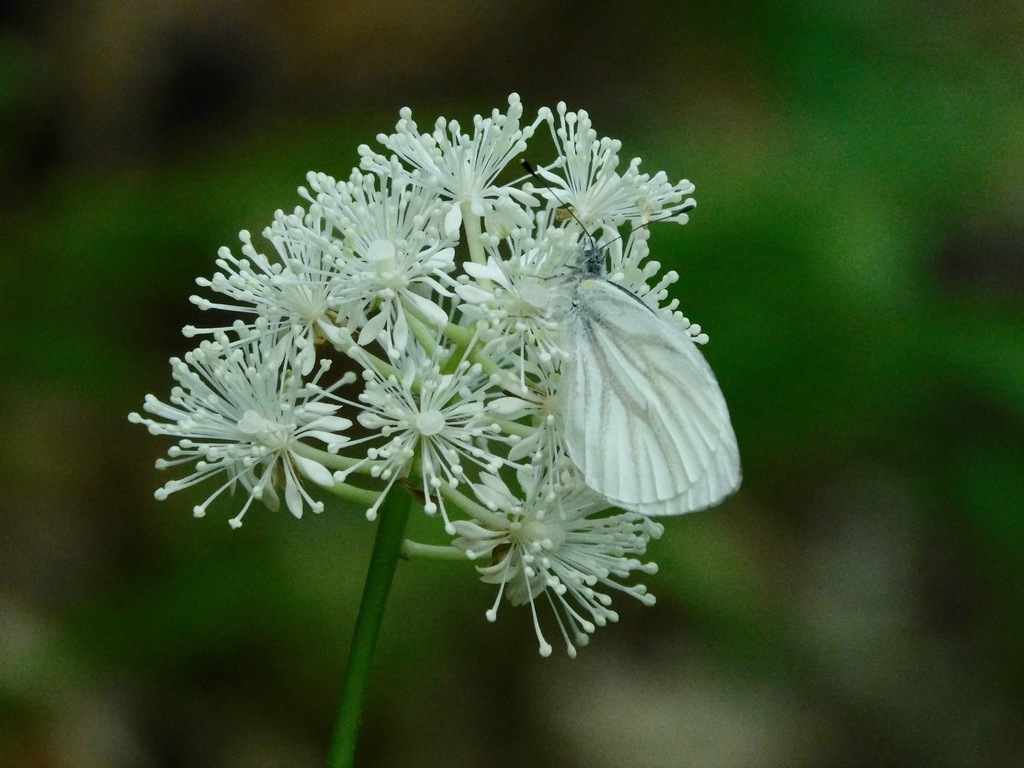
West Virginia White
Pieris virginiensis
Insectstrong against fungi, fish
Common
Swarm
While active with another insect in play, each of its attacks also hits the opposing bench for 10, without knocking them out (20 with two others).
40

39
West Virginia White
Pieris virginiensis
Insectstrong against fungi, fish
Common
While active with another insect in play, each of its attacks also hits the opposing bench for 10, without knocking them out (20 with two others).
Pieris virginiensis
Photo: © Michael J. Papay (original photo) · CC BY 4.0 (licence text) · cropped
Strong against: it deals 20% more damage to them. Weak against: these types deal 20% more damage to it.
Pieris virginiensis, the West Virginia white, is a butterfly found in North America in the Great Lakes states, along the Appalachians from New England to Alabama, and in southern Ontario. They are often found in moist deciduous forests. Forestry, development, and a highly-invasive species that it confuses with its host plant (Cardamine) are causing this species to decline. Two members of the Cardamine genus Cardamine diphylla and Cardamine concatenata are reported to be its host plants in Alabama.
This small, white semi-transparent butterfly may have no yellowish tinge, but it can have tawny or gray color and hazy brown or pale gray color in the hindwing vein underside. There is only one generation that is produced each year, and they are active adults for a short period of about one month, typically early spring (April or May), when they emerge despite potential dry springs. When P. virginiensis experience dry springs, they often do not survive as they rely on the prosperity of their native host plant for oviposition.
Excerpt from the Wikipedia article Pieris virginiensis, by its authors, under the CC BY-SA 4.0 licence.
No global status on the IUCN Red List: that’s what makes this card Common.
Every Common card has 100 points, shared between HP, ATK and DEF:
How they’re shared out:

 DEF 39