 …
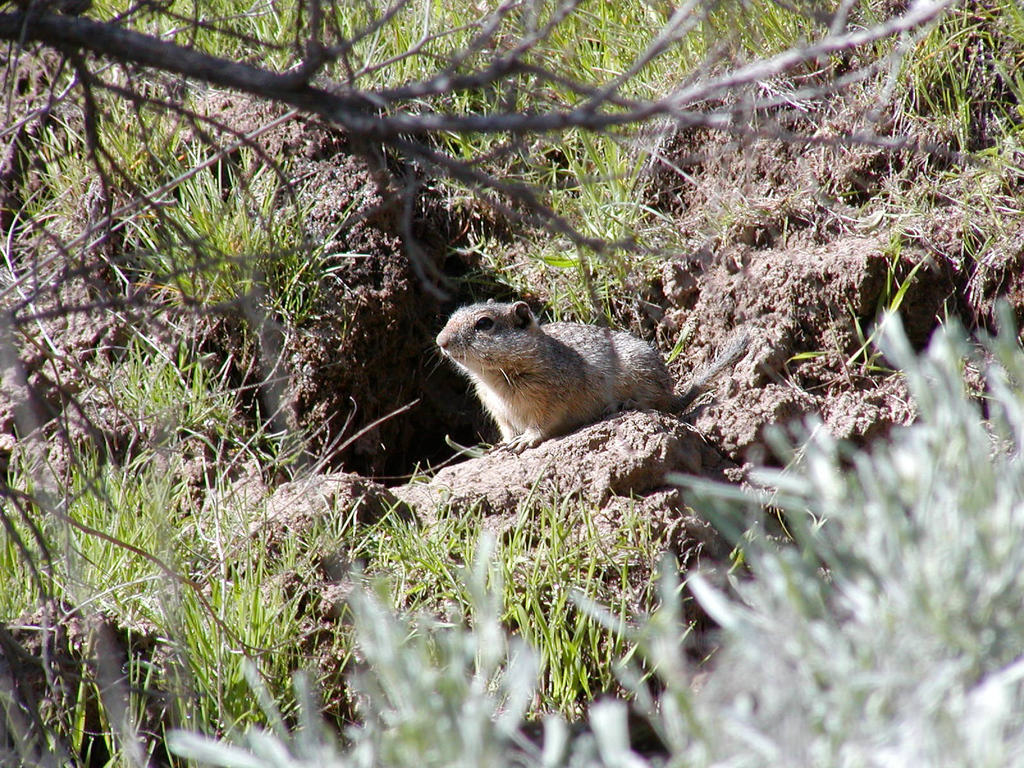
Idaho Ground Squirrel
Urocitellus brunneus
Mammalstrong against birds, fungi
Epic
Pack
While active with another mammal in play, it hits 7 harder (14 with two others).
59

53
Idaho Ground Squirrel
Urocitellus brunneus
Mammalstrong against birds, fungi
Epic
While active with another mammal in play, it hits 7 harder (14 with two others).
Urocitellus brunneus
Photo: © USFWS Endangered Species (original photo) · CC BY 4.0 (licence text) · cropped
Strong against: it deals 20% more damage to them. Weak against: these types deal 20% more damage to it.
The northern Idaho ground squirrel (Urocitellus brunneus) is a species of the largest genus of ground squirrels. This species and the southern Idaho ground squirrel were previously considered conspecific, together called the Idaho ground squirrel.
The species is about 233 mm in length and weighs 120 to 290 grams. The northern Idaho ground squirrel has sexual dimorphism and a dark-reddish gray coat.
The squirrel hibernates for 8 months and lives in dry meadows in Adams and Valley Counties in western-central Idaho. They eat forbs, grasses, shrubs, trees, rushes, and sedges. The mating season occurs within two weeks from the start of the active period and lasts about 12–13 days. Females only have one litter per year, and there are about five weaned babies per litter, which leave the burrow around late March-early April.
In 2000, the species was classified as threatened under the Endangered Species Act mostly due to habitat loss. There are about 2000 individuals remaining, but the population is increasing resulting from conservation efforts. A recovery plan for the species was put in place by the U.S. Fish and Wildlife Service in 2003 and forest restoration for the species is anticipated to be done by 2027.
Excerpt from the Wikipedia article Northern Idaho ground squirrel, by its authors, under the CC BY-SA 4.0 licence.
Endangered on the IUCN Red List: that’s what makes this card Epic.
Every Epic card has 145 points, shared between HP, ATK and DEF:
How they’re shared out:

 DEF 53