 …
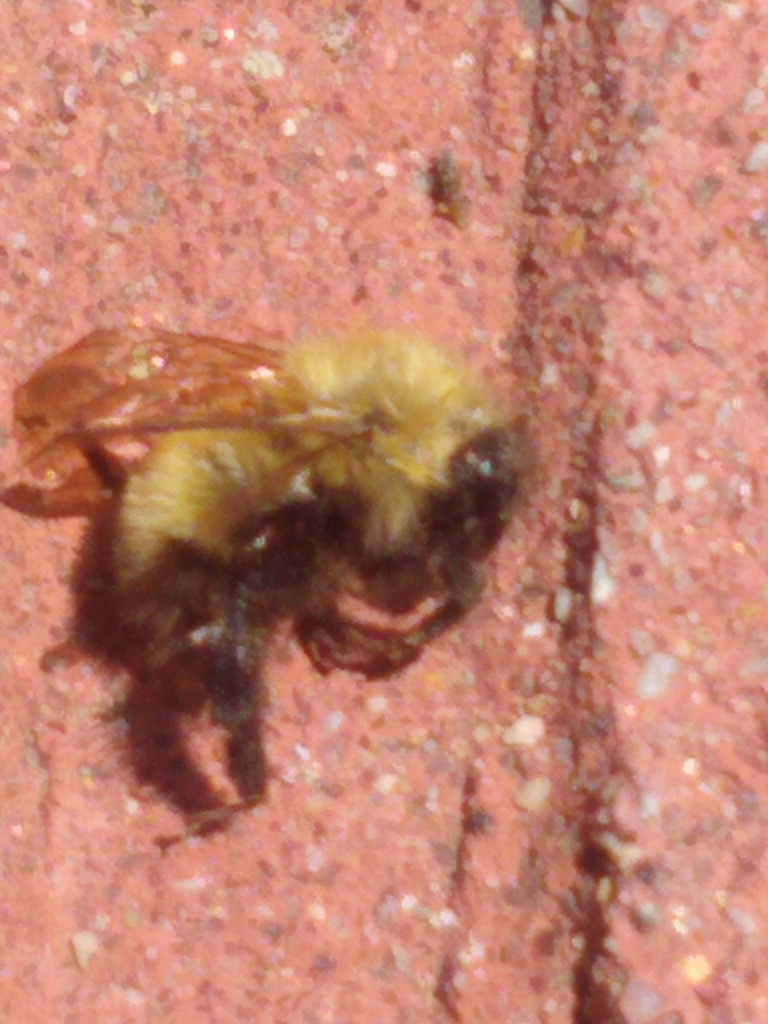
Perplexing Bumble Bee
Bombus perplexus
Insectstrong against fungi, fish
Common
Swarm
While active with another insect in play, each of its attacks also hits the opposing bench for 10, without knocking them out (20 with two others).
41

37
Perplexing Bumble Bee
Bombus perplexus
Insectstrong against fungi, fish
Common
While active with another insect in play, each of its attacks also hits the opposing bench for 10, without knocking them out (20 with two others).
Bombus perplexus
Photo: © feralbeetle (original photo) · CC BY 4.0 (licence text) · cropped
Strong against: it deals 20% more damage to them. Weak against: these types deal 20% more damage to it.
Bombus perplexus is a species of bumblebee known by the common name confusing bumblebee. It is native to northern North America, where it occurs across Canada and into the eastern United States.
The queen is 1.7 to 2.1 centimeters long and just under a centimeter wide at the abdomen. It is mostly black with areas of pale hairs. The worker female is 1.2 to 1.4 centimeters long and half a centimeter wide. It is hairier than the queen and has more yellow hairs. The abdomen is black and yellow. The male is the same size as the worker. The mandibles have reddish tips. It has white hairs on the head and legs and yellow and white hairs on the thorax.
This species occurs in the maritime regions of Canada, taiga, tundra, temperate forests, and the Canadian Prairies. It can be found in wetland habitat, wooded areas, and urban gardens. It feeds on many kinds of plants, such as bellflowers, thistles, honeysuckles, penstemons, pickerel weeds, and lindens. It may be a host to Fernald's cuckoo bumblebee (B. fernaldae).
Excerpt from the Wikipedia article Bombus perplexus, by its authors, under the CC BY-SA 4.0 licence.
Least Concern on the IUCN Red List: that’s what makes this card Common.
Every Common card has 100 points, shared between HP, ATK and DEF:
How they’re shared out:

 DEF 37