 …
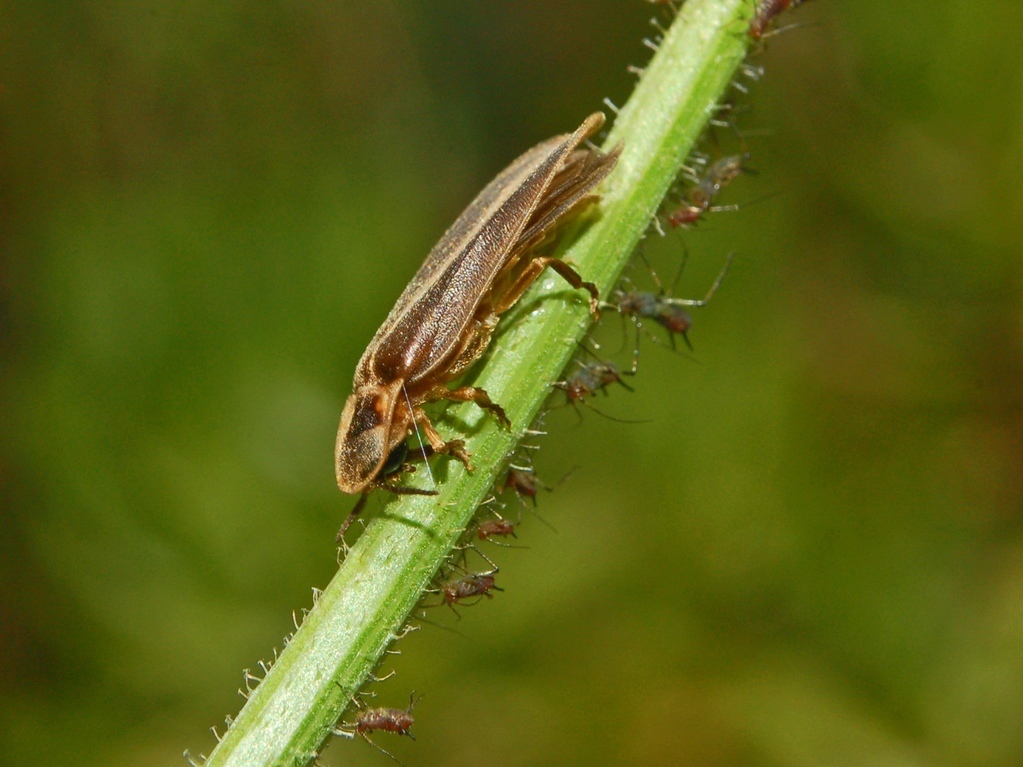
European Glow-worm
Lampyris noctiluca
Insectstrong against fungi, fish
Uncommon
Swarm
While active with another insect in play, each of its attacks also hits the opposing bench for 10, without knocking them out (20 with two others).
37

44
European Glow-worm
Lampyris noctiluca
Insectstrong against fungi, fish
Uncommon
While active with another insect in play, each of its attacks also hits the opposing bench for 10, without knocking them out (20 with two others).
Lampyris noctiluca
Photo: © Ettore Balocchi (original photo) · CC BY 4.0 (licence text) · cropped
Strong against: it deals 20% more damage to them. Weak against: these types deal 20% more damage to it.
Lampyris noctiluca, the common glowworm of Europe (see also "glowworm"), is the type species of beetle in the genus Lampyris and the family Lampyridae.
Lampyris noctiluca presents conspicuous sexual dimorphism. The males are winged, with brown elytra, a clearer pronotum and a large brown spot in the middle, while females are larviform, with no wings, and they are often twice the size of the males (up to 25 millimetres (1 in) in length).
These beetles use their bioluminescence to attract mates. The adult females are mostly famed for their glow, although all stages of their life cycle are capable of glowing.
In Britain, this species is fairly common, compared to its cousin Phosphaenus hemipterus—the lesser glow worm—which is very rare.
The etymology of Lampyrus is from Greek for "shining ones"; the genus includes species known as fireflies or lightning bugs. Contrary to its name, it is not worm-like, but a beetle. These beetles are typically the most active at night and spend their day under debris, or in the ground. The larvae are also nocturnal and rarely seen, only coming out when the conditions are right in the months of April to October. The adult stage is much shorter than the larvae stage but they are much easier to spot then as they glow for a few hours and only stop glowing after mating.
Excerpt from the Wikipedia article Lampyris noctiluca, by its authors, under the CC BY-SA 4.0 licence.
Near Threatened on the IUCN Red List: that’s what makes this card Uncommon.
Every Uncommon card has 115 points, shared between HP, ATK and DEF:
How they’re shared out:

 DEF 44