 …
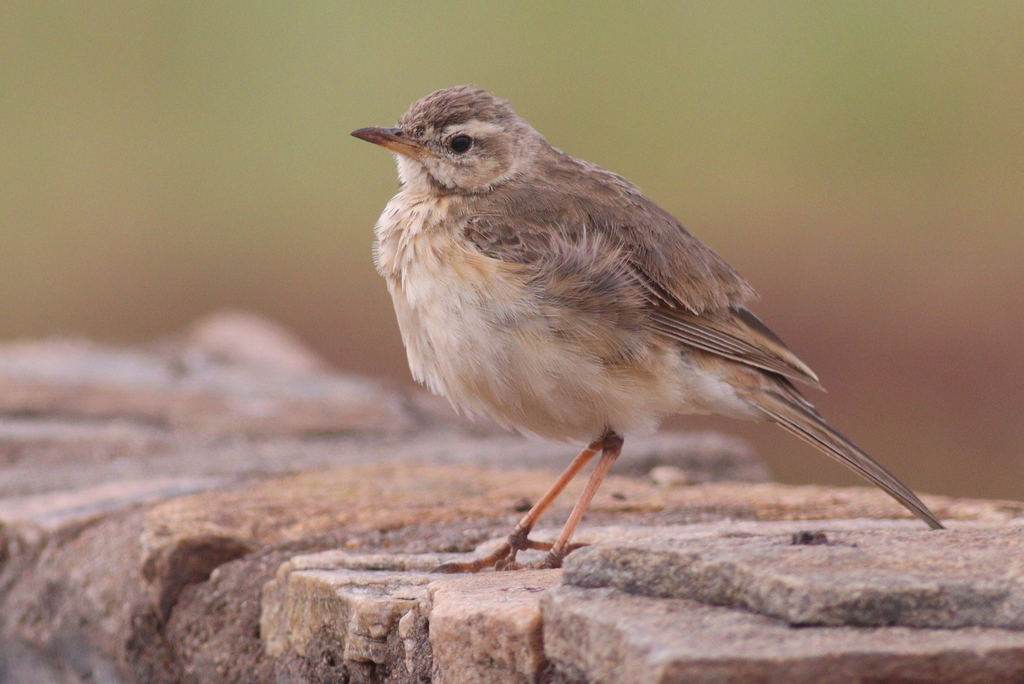
Plain-backed Pipit
Anthus leucophrys
Birdstrong against fish, reptiles
Common
Swoop
While active with another bird in play, it hits 6 harder on its first attack after entering play (12 with two others).
29

40
Plain-backed Pipit
Anthus leucophrys
Birdstrong against fish, reptiles
Common
While active with another bird in play, it hits 6 harder on its first attack after entering play (12 with two others).
Anthus leucophrys
Photo: © Jan Ebr & Ivana Ebrová (original photo) · CC BY 4.0 (licence text) · cropped
Strong against: it deals 20% more damage to them. Weak against: these types deal 20% more damage to it.
The plain-backed pipit or plain pipit (Anthus leucophrys) is a medium-sized passerine bird which is a resident breeder in Africa south of the Sahara Desert.
It is found in open habitats, especially short grassland and cultivation. It builds its cup-shaped nest on the ground and usually lays three eggs. Like other pipits, this species is insectivorous.
The plain-backed pipit is a large pipit at 17 cm, but is otherwise an undistinguished looking species, faintly streaked grey-brown above and pale below with light breast streaking. It has a strong white supercilium, and dark moustachial stripes. It has long legs and tail, and a long dark bill. Sexes are similar, but juveniles have warmer brown upperparts.
Some care must be taken to distinguish this species from wintering tawny pipits, Anthus campestris. The plain-backed pipit is sturdier and darker than the Tawny, and stands more upright. Perhaps the best distinction is the characteristic "ssissik" call, quite different from the tawny pipit's "tchilip".
Excerpt from the Wikipedia article Plain-backed pipit, by its authors, under the CC BY-SA 4.0 licence.
Least Concern on the IUCN Red List: that’s what makes this card Common.
Every Common card has 100 points, shared between HP, ATK and DEF:
How they’re shared out:

 DEF 40