 …
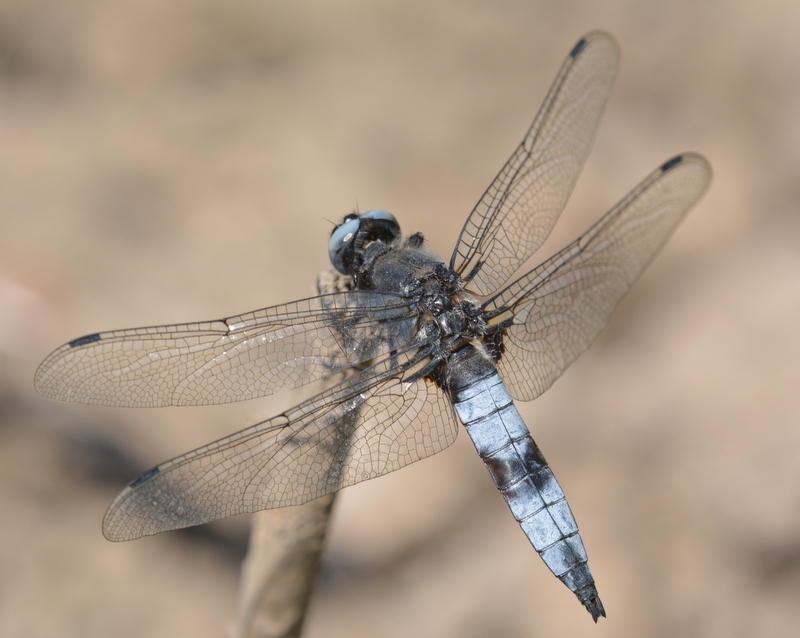
Scarce Chaser
Libellula fulva
Insectstrong against fungi, fish
Common
Swarm
While active with another insect in play, each of its attacks also hits the opposing bench for 10, without knocking them out (20 with two others).
30

39
Scarce Chaser
Libellula fulva
Insectstrong against fungi, fish
Common
While active with another insect in play, each of its attacks also hits the opposing bench for 10, without knocking them out (20 with two others).
Libellula fulva
Photo: Simon Tonge (original photo) · CC0 (licence text) · cropped
Strong against: it deals 20% more damage to them. Weak against: these types deal 20% more damage to it.
The scarce chaser (Libellula fulva) is a species of dragonfly. The adult male has a bright blue abdomen with patches of black, while the adult female and juvenile male each have a bright orange abdomen. It is about 45 mm in length with an average wingspan of 74 mm. It is distributed throughout Europe. This dragonfly is considered a species of special concern in Great Britain due to loss of its specific ideal habitat.
This species lives on floodplains and marshes with dense, abundant vegetation, and females deposit their eggs in slow-current streams. Once deposited by the female, the eggs lie embedded in the mud of the riverbed and the larvae develop underwater for usually two years. Adults live from May to August, during which time they mate and lay eggs.
Excerpt from the Wikipedia article Scarce chaser, by its authors, under the CC BY-SA 4.0 licence.
Least Concern on the IUCN Red List: that’s what makes this card Common.
Every Common card has 100 points, shared between HP, ATK and DEF:
How they’re shared out:

 DEF 39