 …
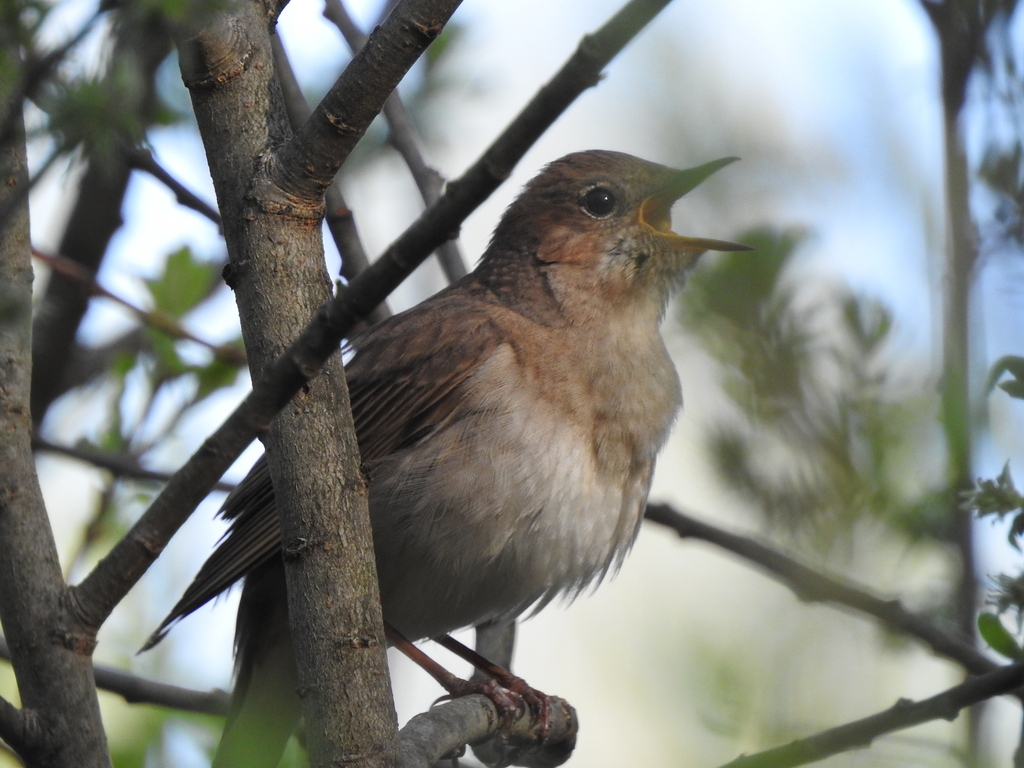
Thrush Nightingale
Luscinia luscinia
Birdstrong against fish, reptiles
Common
Swoop
While active with another bird in play, it hits 6 harder on its first attack after entering play (12 with two others).
41

39
Thrush Nightingale
Luscinia luscinia
Birdstrong against fish, reptiles
Common
While active with another bird in play, it hits 6 harder on its first attack after entering play (12 with two others).
Luscinia luscinia
Photo: © Ксения Волянская (original photo) · CC BY 4.0 (licence text) · cropped
Strong against: it deals 20% more damage to them. Weak against: these types deal 20% more damage to it.
The thrush nightingale (Luscinia luscinia), also known as the sprosser, is a small passerine bird in the Old World flycatcher family. It is a migratory species breeding in forests in Europe and the Palearctic and overwintering in Africa. An insectivore, it nests near the ground in dense undergrowth. Its distribution is more northerly than the very closely related common nightingale (Luscinia megarhynchos), which it closely resembles in appearance. Hybrids between the two have occurred in areas where their ranges overlap.
The thrush nightingale is similar in size to the European robin. Sexes are similar, both being plain greyish-brown above and white and greyish-brown below. Its greyer tones, giving a cloudy appearance to the underside, and lack of the common nightingale's obvious rufous tail side patches are the clearest plumage differences from that species. It also has a similar but somewhat more solemn song than that of L. megarhynchos. The nightingales, and similar small European species, are often called chats.
Excerpt from the Wikipedia article Thrush nightingale, by its authors, under the CC BY-SA 4.0 licence.
Least Concern on the IUCN Red List: that’s what makes this card Common.
Every Common card has 100 points, shared between HP, ATK and DEF:
How they’re shared out:

 DEF 39