 …
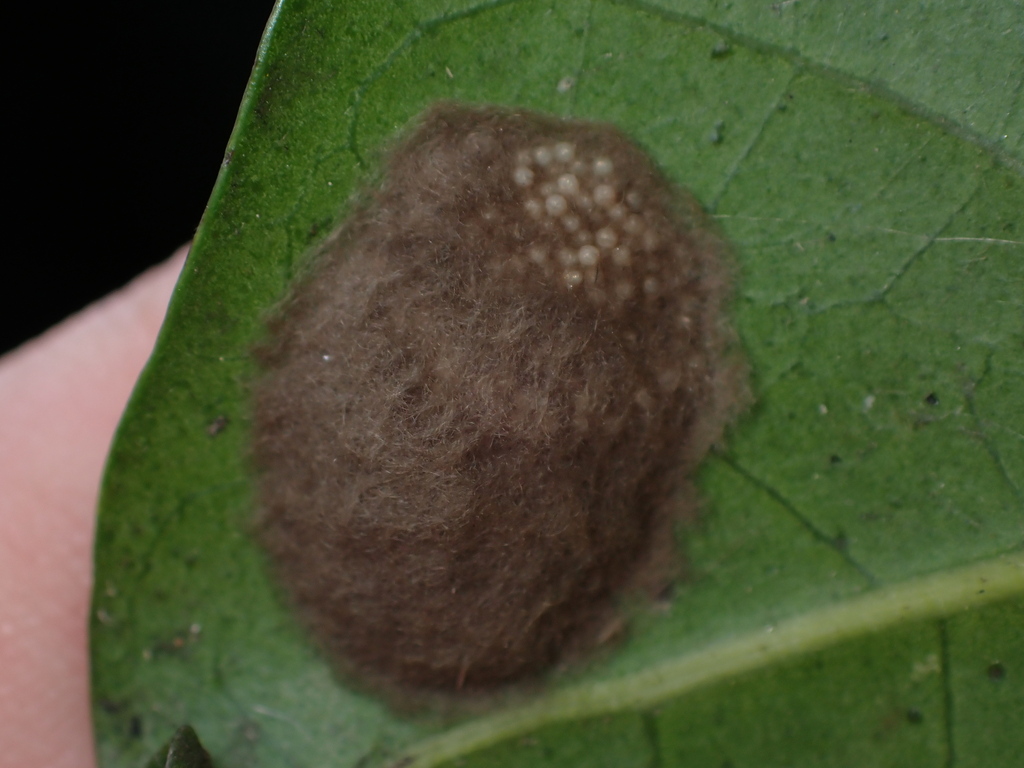
Oriental leafworm moth
Spodoptera litura
Insectstrong against fungi, fish
Common
Swarm
While active with another insect in play, each of its attacks also hits the opposing bench for 10, without knocking them out (20 with two others).
41

38
Oriental leafworm moth
Spodoptera litura
Insectstrong against fungi, fish
Common
While active with another insect in play, each of its attacks also hits the opposing bench for 10, without knocking them out (20 with two others).
Spodoptera litura
Photo: © Saryu Mae 前 朝琉 (original photo) · CC BY 4.0 (licence text) · cropped
Strong against: it deals 20% more damage to them. Weak against: these types deal 20% more damage to it.
Spodoptera litura, otherwise known as the tobacco cutworm or cotton leafworm, is a nocturnal moth in the family Noctuidae. S. litura is a serious polyphagous pest in Asia, Oceania, and the Indian subcontinent that was first described by Johan Christian Fabricius in 1775. Its common names reference two of the most frequent host plants of the moth. In total, 87 species of host plants that are infested by S. litura are of economic importance. The species parasitize the plants as larvae through vigorous eating patterns, oftentimes leaving the leaves completely destroyed. The moth destroys economically important agricultural crops and decreases yield in some plants completely. Their potential impact on the many different cultivated crops, and subsequently the local agricultural economy, has led to serious efforts to control the pests.
S. litura is often confused with its close relative, Spodoptera littoralis. These two species are hard to discriminate between because the larvae and adult forms are identical. Inspecting the genitalia is the most certain way to tell the two species apart.
Excerpt from the Wikipedia article Spodoptera litura, by its authors, under the CC BY-SA 4.0 licence.
No global status on the IUCN Red List: that’s what makes this card Common.
Every Common card has 100 points, shared between HP, ATK and DEF:
How they’re shared out:

 DEF 38